Gut Dysbiosis Diet: 10 Warning Signs, Symptoms, & Foods to Avoid for Natural Healing
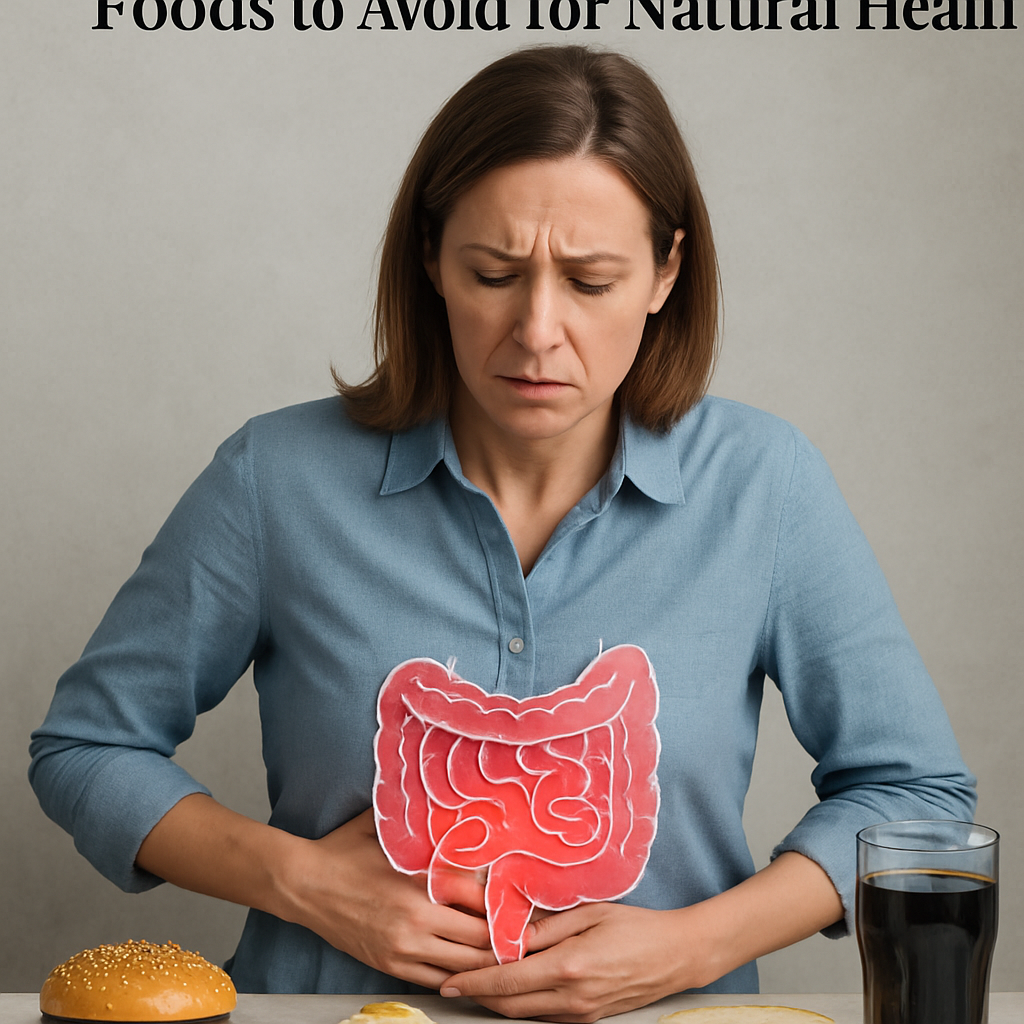
If you are experiencing ongoing digestive discomfort, fatigue, or mysterious mood changes, your gut bacteria could be out of balance—a condition called gut dysbiosis. Early recognition of its warning signs is key to recovery, and adjusting your diet is a cornerstone of how to heal naturally. By learning to spot symptoms, identifying trigger foods, and following a gut dysbiosis diet, you can start restoring your microbiome health today.
Recognizing the Warning Signs of Gut Imbalance
Your digestive tract can signal an unhealthy gut environment in many ways. These symptoms are easy to overlook but indicate a shift in the bacterial ecosystem. Both mild and bothersome issues should not be ignored, as they may point to underlying dysbiosis.
- Bloating after eating can be a very early indication that your gut flora needs attention.
- Frequent gas or abdominal discomfort may result from an overgrowth of certain bacteria.
- New or unexplained food sensitivities or intolerances may emerge as a result of gut imbalance.
Spotting these changes early is the first step to taking action on your gut health.
Common Digestive and Systemic Symptoms
Gut dysbiosis is not limited to the digestive tract; it can have widespread effects throughout the body. Many of these symptoms overlap with conditions like leaky gut syndrome, as described in expert articles.
- Fatigue and trouble concentrating may indicate gut-derived inflammation impacting your brain and metabolism.
- Unusual skin problems, such as breakouts or unexplained rashes, can be linked to intestinal permeability.
- Mood swings or new anxiety have been linked to changes in the gut-brain axis triggered by an unhealthy microbiome.
If these symptoms are persistent alongside digestive complaints, gut dysbiosis may be the root cause.
Foods to Avoid on a Gut Dysbiosis Diet
Certain dietary choices can worsen bacterial imbalances or slow healing. Adjusting your meals is one of the core steps in natural treatment. Scientific reviews emphasize that processed foods, excessive sugars, and artificial additives are among the most harmful to your gut flora, as noted by leading digestive health authorities such as UMass Memorial Health.
- Remove added sugars and sugary drinks, which can feed harmful bacteria and yeast.
- Limit or avoid artificial sweeteners, as they may disrupt good bacteria populations.
- Reduce intake of processed and fried foods that promote inflammation.
Dairy, high-gluten grains, and excessive alcohol can also aggravate gut issues for susceptible people.
Instead, prioritize fiber-rich vegetables, fermented foods, and lean proteins to encourage beneficial microbes.
Natural Approaches to Gut Dysbiosis Healing
Healing from dysbiosis involves more than removing trigger foods. Building a gut-friendly routine supports both symptom relief and microbiome restoration. These strategies are supported by medical research and clinical observation.
- Include probiotic-rich foods, such as kimchi, sauerkraut, and plain yogurt, to help repopulate beneficial species.
- Eat plenty of fiber from leafy greens, beans, and root vegetables to nourish good bacteria.
- Manage stress with activities like gentle exercise, yoga, or mindfulness, which can prevent gut inflammation.
- Stay hydrated and get adequate sleep to allow gut repair and immune regulation.
Testing for gut imbalances, such as a microbiome analysis, can provide individualized insight, but diet and lifestyle remain foundational for most people as outlined in expert sources like this scientific review.
When and How to Seek Medical Help
If your symptoms are severe, very persistent, or interfere with your quality of life, consult a healthcare provider. Some underlying conditions, such as chronic inflammation or autoimmune disorders, require medical evaluation. Diagnostic testing, including stool analyses or food sensitivity checks, may help identify specific imbalances or infections.
Medical treatment may involve targeted antibiotics or prescription probiotics, but these are usually paired with dietary and lifestyle adjustments for long-term results. Ongoing support from a gastroenterologist or dietitian familiar with gut health is especially valuable for complex cases. Early detection and a personalized gut dysbiosis diet are key tools to restore your well-being.
By understanding these 10 warning signs and making scientifically sound dietary changes, you can support your body's natural healing abilities and help your gut microbiome thrive.

Comments
Post a Comment