Immune System Supplements: Best Vitamins for Adults, Women, and Multivitamin Booster Foods
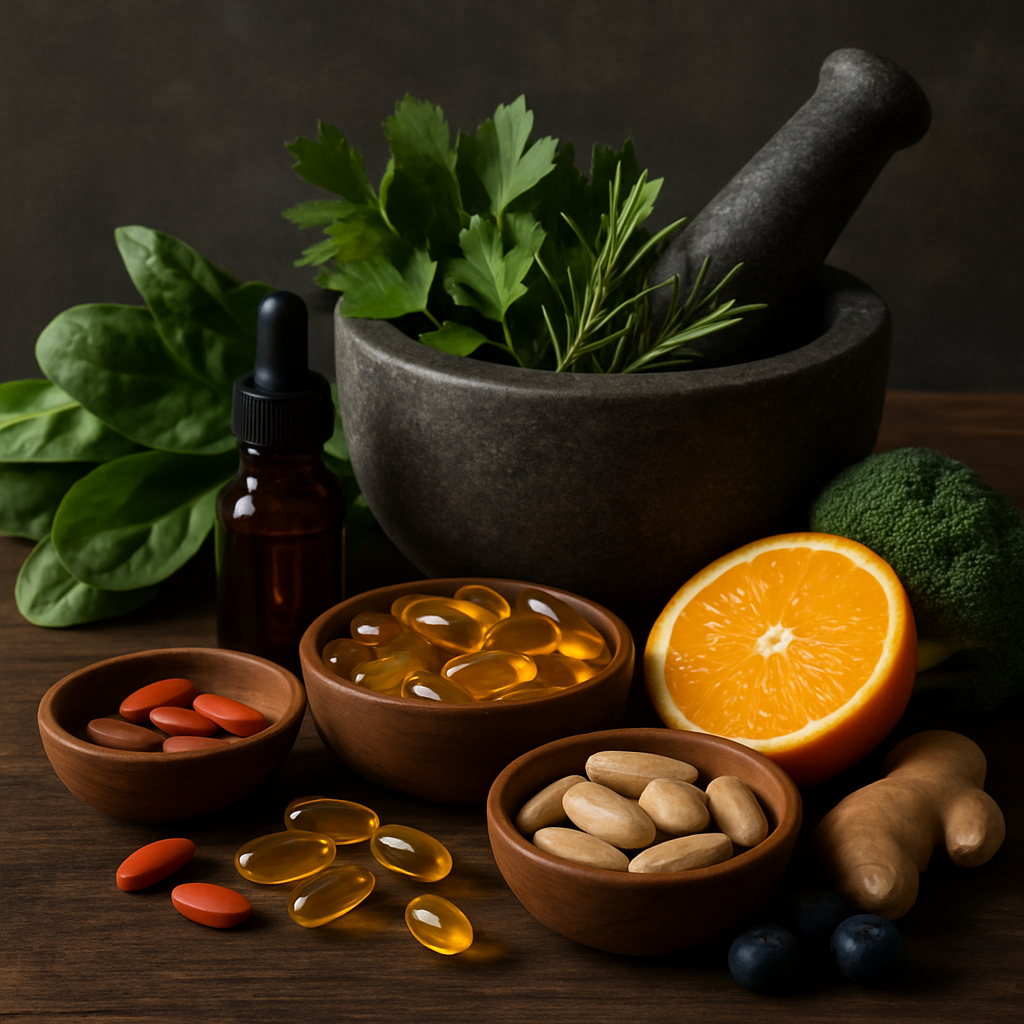
Immune system supplements are often advertised as powerful tools to help strengthen your natural defenses, but scientific research consistently shows that the most effective way to boost immune health starts with maintaining healthy habits and consuming the best vitamins and booster foods for both adults and women. While pills and powders can sometimes fill specific nutritional gaps, there is no direct evidence that taking supplements alone will prevent illness. Instead, combining a balanced diet, targeted nutrition, and proper lifestyle practices yields the strongest support for a resilient immune response (Mayo Clinic).
Building Blocks: Key Vitamins for Adult Immune System Health
Several vitamins and minerals are essential for proper immune function, and deficiencies in these can impair your body's ability to ward off infections. Vitamin C, known for its antioxidant power, helps protect cells from damage and supports the activity of important immune cells. Vitamin D is vital for regulating the immune response, and many adults—especially those living in northern climates or who spend little time outdoors—may not get enough from sunlight alone.
Vitamin A, zinc, selenium, and vitamin E also play roles in immune regulation. For women, especially those pregnant or breastfeeding, specific needs may differ. For example, iron and folate are particularly important for immune competence and overall wellness. Choosing a multivitamin tailored for women can help address these unique requirements.
While supplements can provide support where dietary intake is lacking, experts recommend prioritizing whole foods for nutrient delivery. Always consult a healthcare provider before starting high-dose supplements, as excess amounts of some vitamins can be harmful.
For more information on how nutrition influences immune health, visit the Harvard Health guide on supporting your immune system.
Top Multivitamin Booster Foods and Their Impact
Nature offers a variety of foods that act as multivitamin boosters for overall immune function. Citrus fruits, berries, and bell peppers are packed with vitamin C, while eggs, fatty fish, and fortified dairy provide vitamin D. Nuts and seeds like almonds and sunflower seeds supply vitamin E and selenium, both potent antioxidants that aid cellular protection.
Leafy greens—such as spinach and kale—bring vitamin A, iron, and folate to the table, while whole grains and lean meats deliver zinc and B vitamins. Legumes, including beans and lentils, contain a mix of minerals and fiber that support gut health, further enhancing immune defenses.
Incorporating a range of these foods ensures that adults and women get the necessary nutrients for optimal immune system performance. Remember, diversity and balance are key; relying on a single food or supplement is less effective than a comprehensive nutritional approach.
Lifestyle Habits to Complement Immune System Supplements
Supplements and food choices are only part of an integrated immune-support plan. Regular moderate exercise, such as brisk walking or cycling, enhances circulation and oxygen use, potentially boosting immune activity. Even short bursts of activity accumulated throughout the week can help adults maintain strong defenses against illness.
Quality sleep is another foundational habit. During sleep, the body repairs tissues and produces important immune signaling molecules. Adults should aim for seven to nine hours per night, while women experiencing hormonal changes or increased demands may need extra rest.
Stress management is equally critical, as chronic stress can weaken immune responses and delay recovery from infections. Techniques such as meditation, deep breathing, and time in nature may lower stress hormones and support overall immune resilience.
Good hygiene, including handwashing and mask use in public settings, further reduces the risk of communicable diseases and complements the benefits of nutrition and supplementation (Mayo Clinic).
Evaluating Supplement Brands: What to Look For
With numerous immune system supplement brands on the market, selecting a high-quality product takes some discernment. Look for brands that have been independently tested for purity and potency by third-party organizations. Transparency about ingredient sourcing, manufacturing practices, and dosages is important.
Examine the label for nutrients in bioavailable forms that match recommended dietary allowances (RDAs) for adults and, if possible, are tailored for women's health. Avoid formulas that exceed safe upper limits for vitamins and minerals, as this can be counterproductive or harmful.
It is also wise to discuss potential supplement choices with a healthcare provider. Factors such as age, sex, existing health conditions, and medications can influence what is most appropriate for individual needs. Not all 'immune booster' claims are regulated or evidence-based, so prioritize well-established supplement lines with solid reputations.
For a deeper look at how your immune system functions and how supplements can play a supporting role, visit the Cleveland Clinic resource.
Nutritional Strategies for Women: Specific Needs and Best Practices
Women have changing nutritional requirements over the lifespan, from reproductive years through menopause and beyond. Ensuring adequate iron, calcium, vitamin D, and folate becomes increasingly important during phases such as pregnancy, lactation, and midlife.
Multivitamins formulated for women usually contain the optimal balance of these nutrients. However, supplementing should never replace a nutrient-rich diet. Intentionally including foods such as beans, dairy, seafood, and dark leafy greens helps address potential shortfalls that women may experience.
Lifestyle factors like consistent exercise and regular health screenings further support the immune system. For example, women with heavy menstrual cycles may need extra iron, while post-menopausal women may benefit from vitamin D and calcium for bone and immune health.
Taking a holistic, food-first approach, together with carefully selected supplements and not exceeding recommended dosages, provides women with a sustainable path to long-term immune system support.

Comments
Post a Comment