High Fiber Foods To Relieve Constipation: Best Whole Grains, Fruits, and Recipes for Relief
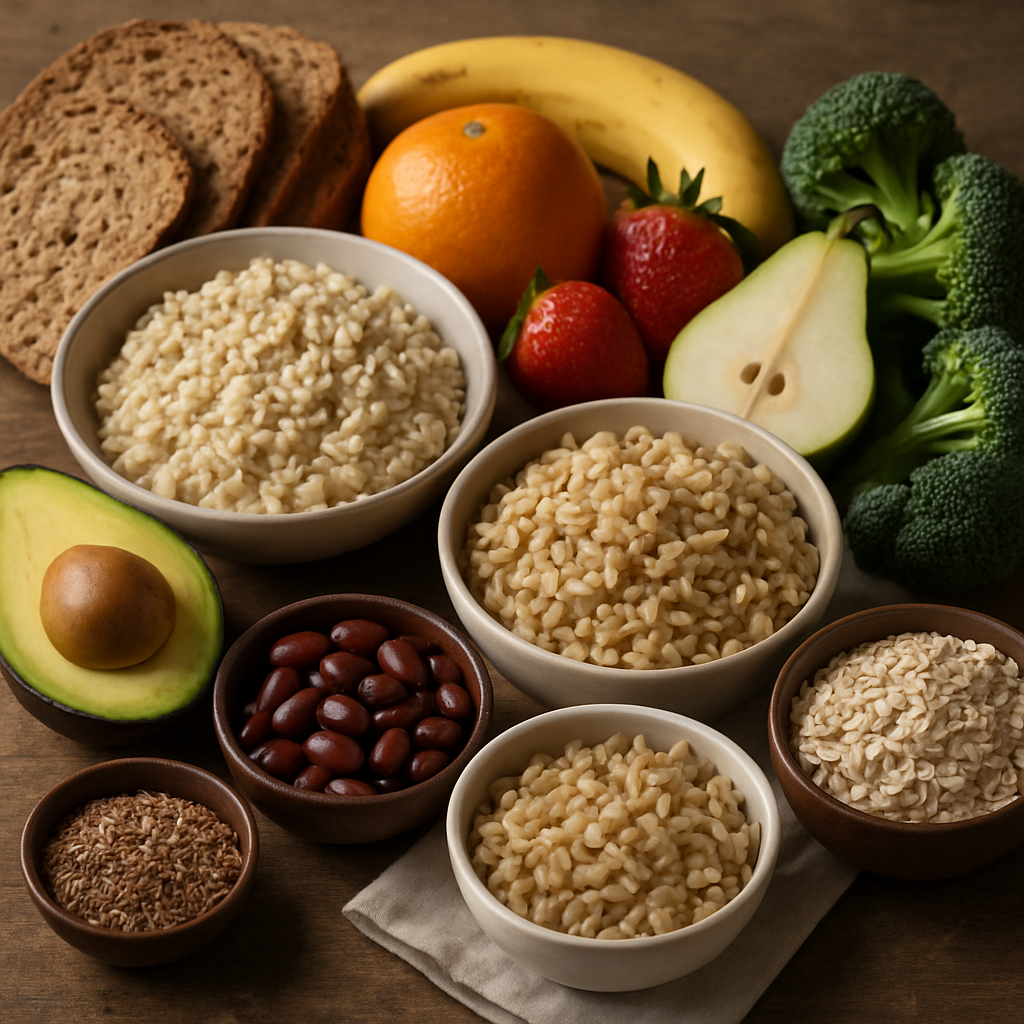
Understanding the Role of Diet and Fiber for Constipation Relief
Consuming high fiber foods is one of the most effective and natural ways to help relieve constipation, especially for those experiencing symptoms of slow transit constipation. Integrating the right foods into your daily routine can promote regular bowel movements, soften stools, and improve gut motility. Alongside dietary shifts, combining lifestyle modifications with medical strategies recommended by experts can further enhance your digestive health. You can read about additional management options on the Better Health Channel.
Fiber-rich foods, such as whole grains, fruits, and bulk-forming supplements, allow water to remain in the stool and thus help with passage through the colon. Additionally, the inclusion of soluble and insoluble fiber through dietary choices has been supported as part of conservative therapy before progressing to medications or further interventions (Cleveland Clinic Journal).
Let's explore how specific types of foods and practical recipes can help support your digestive system and ease constipation.
Whole Grains: Foundation of a High-Fiber Diet
Whole grains stand out among high fiber foods due to their high content of both soluble and insoluble fibers, which are vital for bowel health. Brown rice, whole wheat bread, oatmeal, quinoa, and barley are all excellent choices for daily meals. Incorporating cereal grains in breakfast can give your gut an early boost of fiber, stimulating peristalsis and making stools bulkier and easier to pass.
Choosing whole grain foods over refined options provides additional benefits—besides increasing fiber intake, these grains also offer essential vitamins, minerals, and slow-release carbohydrates. For those managing slow transit symptoms, starting with small amounts and gradually increasing intake helps prevent gas or bloating.
Practical Tip: Replace white rice or pasta with brown or wild rice, and swap out white bread for 100% whole wheat or multi-grain bread at lunch and dinner. Aim for at least three servings of whole grains daily to help meet your fiber target.
Helpful Insight: Bulk-forming fiber supplements during pregnancy may also be beneficial for women with constipation, but dietary options are generally recommended first unless otherwise advised by a healthcare provider.
Fruits: Natural Laxatives Packed with Soluble Fiber
Fruits are another cornerstone of a high-fiber diet, with many varieties containing both soluble and insoluble fibers that help keep stools soft and encourage regularity. Apples, pears (with skin), berries, prunes, kiwis, and oranges are particularly effective for relieving constipation due to their fiber and water content.
Fruits like prunes and kiwis act as gentle, natural laxatives because they contain sorbitol and actinidin, compounds shown to stimulate bowel function. Eating a rainbow of high-fiber fruits daily can also boost your vitamin C and antioxidant intake, supporting overall health.
Adding fruits to yogurt, oatmeal, or smoothies is an easy way to increase fiber intake without major dietary changes. People with slow transit constipation can benefit from having fruit as both snacks and desserts for extra digestive support.
Vegetables, Legumes, and Bulk-Forming Choices
Vegetables and legumes are excellent sources of insoluble fiber, which increases stool bulk and helps move fecal matter more swiftly through the intestines. Beans, lentils, peas, broccoli, carrots, and leafy greens should be regular features in lunches and dinners throughout the week.
Cooking for Comfort: To avoid potential discomfort from too much fiber at once, steam or roast vegetables, or blend cooked legumes into soups. This helps soften the texture while still providing digestive benefits. Recipes featuring black bean salad, lentil stew, or vegetable-rich pasta sauces are both tasty and functional for constipation relief.
Bulk-forming laxatives or fiber supplements, such as psyllium, can also be considered—especially for those who struggle to reach their daily intake goals from diet alone. These supplements work by drawing water into the stool, making it easier to pass, and are often used under medical guidance for persistent issues.
Always accompany high-fiber meals with ample water to maximize their effectiveness and minimize potential side effects like gas or abdominal bloating.
Practical At-Home Tips, Safe Remedies, and Recipes
Adopting certain habits alongside a fiber-rich diet can optimize relief. Try drinking a glass of warm water after waking up to stimulate the digestive system. Regular consumption of soluble fiber from foods like oats, barley, and certain fruits (e.g., bananas, apples) can help soften stools and improve gut function.
- Baked oatmeal: Combine oats, berries, ground flaxseed, and almond milk, and bake for a high-fiber breakfast.
- Bean salad: Mix kidney beans, chickpeas, chopped peppers, and a lemon vinaigrette for a lunchtime fiber boost.
- Fruit and yogurt smoothie: Blend prunes, banana, Greek yogurt, and chia seeds for an easy-to-digest, high-fiber snack.
Some find additional comfort with natural home remedies like gentle stomach massage, use of a heating pad for abdominal cramping, and regular physical activity. If over-the-counter (OTC) softeners and bulk-forming fiber options are insufficient, consult a professional for further guidance.
For more about dietary management and when to consider supplements or other interventions, refer to the source provided by the Better Health Channel.
What to Avoid and When to Seek Help
Certain substances, such as too much caffeine or alcohol, can dehydrate the body, making stools harder and exacerbating constipation. Additionally, excessive use of calcium-based antacids like Tums or taking certain antibiotics may increase constipation risk for some individuals.
Fiber is generally recommended as a first strategy for constipation, but persistent or extreme symptoms, blood in stool, or signs of complications (such as uncontrollable soiling) require prompt medical evaluation. Chronic constipation may sometimes indicate a need for more advanced interventions, such as electrical stimulation or surgery, especially in diagnosed cases of slow transit constipation (NCBI).
Monitor your body’s response to dietary changes, and do not ignore warning signs like severe pain, ongoing blood in stool, or swelling, as these may indicate a condition beyond dietary constipation and necessitate professional care.
By consistently choosing high fiber foods from whole grains, fruits, and legumes, and gradually increasing your intake, you set the foundation for regularity and digestive comfort with minimal side effects.

Comments
Post a Comment