How to Make Acorn Squash and Brussels Sprouts with Maple Mustard and Pecans
Why Roast Acorn Squash and Brussels Sprouts with Maple Mustard and Pecans?
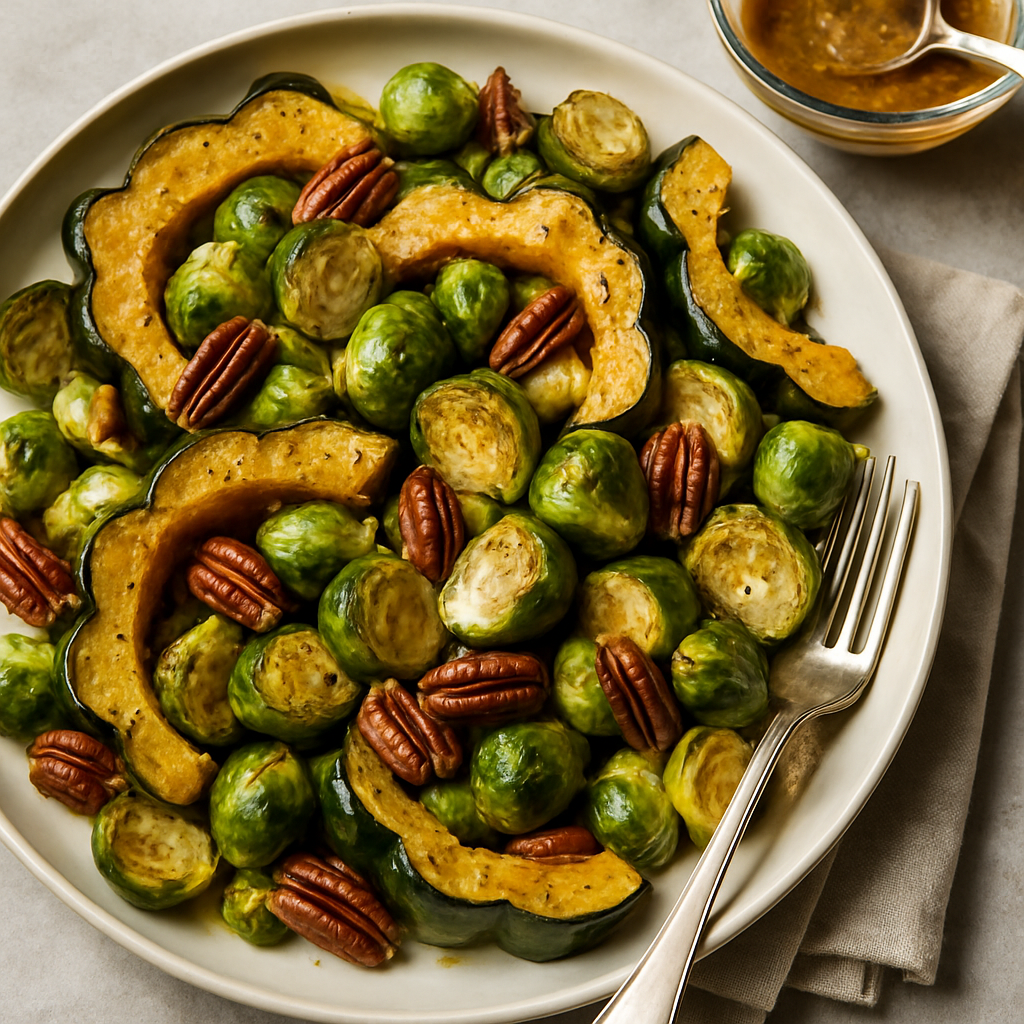
If you want a hearty, fall-inspired side dish that balances earthy, sweet, and tangy flavors, look no further than roasted acorn squash and Brussels sprouts. These vegetables pair beautifully with a maple mustard glaze and toasted pecans, making for a nutrient-rich, crowd-pleasing combination. Within just 45 minutes, you can enjoy a nourishing dish that works as a vibrant salad, side for your favorite eggs or potatoes, or even as a main vegetarian plate for autumn gatherings. This recipe also takes advantage of the vegetables' natural caramelization when roasted, producing an irresistibly crispy and golden exterior (see the original recipe here).
Choosing and Prepping Your Vegetables
Select an acorn squash that feels heavy for its size and has orange or green patches on the skin, indicating ripeness. Brussels sprouts should be bright green, firm, and free from large brown spots (which can signal aging or bruising). Before roasting, wash the acorn squash thoroughly, then halve, seed, and slice it into half-moons—no need to peel it. Trim the ends off the Brussels sprouts and halve them lengthwise for maximum caramelization. These steps create uniform pieces for even roasting and an attractive presentation in salads, gratins, or as a sheet pan meal.
For an added layer of flavor, you can quick-pickle red onions or sprinkle the vegetables with a pinch of cinnamon or chopped chestnuts. This flexible preparation method works equally well for other cabbage family members, such as broccoli or cauliflower, adapting for what you have available in your fall pantry.
When prepping the squash, save the edible seeds for roasting separately. This gives you a crunchy garnish for the finished dish and avoids unnecessary kitchen waste. Lightly tossing all veggies with olive oil and kosher salt helps the maple mustard glaze adhere better during baking and ensures each bite gets perfectly seasoned.
As a bonus, prepping these vegetables ahead of time makes weeknight cooking stress-free, allowing you to focus on building robust flavor with minimal effort. Consider pairing these roasted ingredients with poached eggs, sautéed kale, or a pomegranate vinaigrette for seasonal color and depth.
The Secrets to a Perfect Maple Mustard Glaze
The success of this dish comes down to the glaze: a simple mixture of real maple syrup, Dijon or whole-grain mustard, a dash of olive oil, and a touch of balsamic vinegar. This combo enhances the natural sweetness of acorn squash, balances the slight bitterness of Brussels sprouts, and adds a glossy finish. Whisk the glaze ingredients together and pour it over the vegetables about halfway through roasting, ensuring it clings to each piece as sugars caramelize in the oven.
For an extra twist, consider whisking some minced garlic, a squeeze of fresh lemon juice, or even a hint of smoked paprika or chile flakes into the glaze. These flavor additions create nuance and allow you to tailor the dish to personal tastes or occasion. If you want a richer flavor profile, a sprinkle of shredded parmesan or a few slices of pancetta can be added in the last five minutes of roasting.
Pecans should be roughly chopped and tossed on the sheet pan during the final 10 minutes so they toast without burning. Their buttery flavor and crunchy texture round out the dish, while also supplying heart-healthy fats and protein. Substitutes such as walnuts or seeds (like pumpkin or sunflower) make this dish easily adaptable to dietary preferences.
Roasting Tips and Variations for Fall Cooking
Avoid crowding the vegetables on your sheet pan for proper browning; use two trays if necessary. Preheat your oven to around 375°F and roast, flipping once, until vegetables are tender and edges are golden brown. Stir-frying smaller amounts in a skillet with garlic and parsley is another option for a quick weeknight variation (learn more about squash and sprout salads here).
For extra autumn character, add cubes of butternut squash or thinly sliced carrots, or scatter pomegranate seeds just before serving. Those who appreciate robust flavors may enjoy finishing the hot veggies with a drizzle of maple-soy caramel or a sprinkle of crumbled bacon lardon, infusing extra warmth and savoriness.
If you notice brown spots on your Brussels sprouts, do not worry—they usually add to the roasted texture and flavor. However, remove any black or mushy leaves, as these can negatively affect taste and nutrition.
How to Serve, Store, and Use Leftovers
Roasted acorn squash and Brussels sprouts with maple mustard and pecans work beautifully as a warm salad, tossed with shredded kale or arugula and dotted with feta. They are also delicious as a holiday side, paired with classic dishes like potatoes, eggs, or baked beans. Finish the dish with a flourish of parsley, or serve atop quinoa for a hearty, grain-based bowl.
Leftovers store well for up to four days in an airtight container. To reheat, simply pop them in a 400°F oven for 10 minutes to revive crispness and flavor. Consider mashing extra squash into an autumn soup or blending roasted vegetables into a creamy gratin with red onion and garlic.
Finally, adjusting seasoning or garnishes—like chopped pecans, quick pickled onions, or spicy chile oil—keeps the dish lively for various meals throughout the week. For inspiration on creative variations, look up leading cooks such as Ina Garten or Ottolenghi, who are known for their imaginative takes on seasonal vegetables. This versatile recipe ensures a delicious result, whether enjoyed as a main course or a holiday side.
With vibrant colors, comforting flavors, and flexible ingredients, roasted acorn squash and Brussels sprouts with maple mustard and pecans will quickly become a seasonal favorite for salads, sides, or main meals.

Comments
Post a Comment