Ibs Symptoms Foods To Avoid: Ten Worst Triggers and an IBS-Friendly Diet Plan
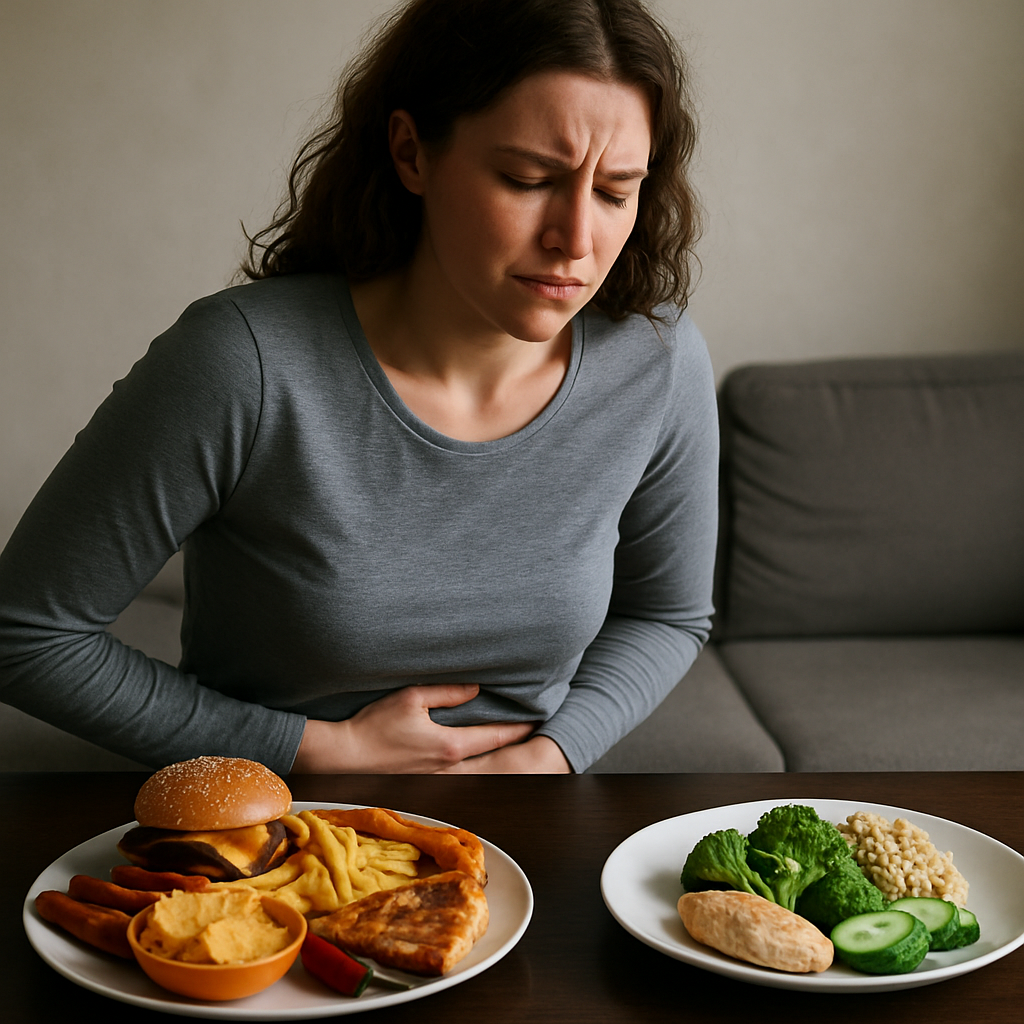
If you experience irritable bowel syndrome, knowing the worst foods to avoid and managing your diet can make a major difference in controlling IBS symptoms such as abdominal pain, bloating, excessive gas, diarrhea, and constipation. Many people with IBS quickly learn that dietary choices have an immediate impact on how severe or frequent their symptoms become. This guide will identify the 10 worst food triggers for IBS attacks and share evidence-based tips for navigating daily breakfast choices, crafting an IBS-friendly diet plan, and picking better fruits for digestive wellness.
Understanding Irritable Bowel Syndrome and Its Key Symptoms
IBS affects the digestive system, and its hallmark symptoms include stomach pain, cramping, changes in bowel movements (alternating diarrhea and constipation), and bloating. It's estimated to impact a significant percentage of people, with many experiencing a mix of symptoms that come and go. A sudden urgent need to use the bathroom, excessive flatulence, and feelings of incomplete bowel emptying are also commonly reported. Notably, lethargy and heartburn are occasional complaints, especially during IBS attacks.
Symptoms often worsen after meals, especially when trigger foods are consumed. For women, IBS can sometimes coincide with hormonal changes, leading to greater symptom variability in females. Awareness of these classic and less common signs is essential for self-management.
Since IBS is a chronic condition, you may need to observe your symptoms over several weeks to pinpoint dietary patterns and avoid persistent aggravators.
Top 10 Foods Most Likely to Trigger IBS Flare-Ups
Learning which foods can lead to an IBS attack is vital for long-term relief. Here are the 10 most common offenders that people with IBS often need to restrict or avoid:
- 1. Dairy products: Milk, cheese, and ice cream often contain lactose, which can worsen bloating and diarrhea in those with IBS.
- 2. High-FODMAP fruits: Apples, pears, watermelon, and cherries are high in fermentable sugars that may fuel gas and cramping.
- 3. Wheat and rye: These grains can be difficult to digest and may worsen constipation or bloating due to their high fructan content.
- 4. Beans and lentils: Legumes are notoriously gassy for people with IBS because of their complex carbohydrates.
- 5. Onions and garlic: Both are rich in FODMAPs and can provoke abdominal discomfort or loose stools.
- 6. Caffeinated drinks: Coffee, strong tea, and energy drinks stimulate the gut, sometimes triggering urgency or diarrhea.
- 7. Carbonated sodas: Fizz can increase bloating and cause excess wind, worsening IBS symptoms.
- 8. Fried and fatty foods: Greasy fast foods slow digestion and can trigger spasms or urgent bowel movements.
- 9. Sugar alcohols: Found in sugar-free gum, sweets, and protein bars, these can have a laxative effect and promote bloating.
- 10. Spicy foods: Ingredients like hot peppers may irritate the sensitive gut lining during an IBS attack.
People differ in their sensitivities, so keeping a symptom and food diary is key to personalizing your list of triggers. Consult a doctor if dietary changes do not improve your condition or if you observe alarming new symptoms, such as blood in your stool or unexplained weight loss (Mayo Clinic).
Breakfast and Meal Planning Strategies for IBS Prevention
Starting your day with an IBS-friendly breakfast can help set a positive tone for your digestive system. Instead of high-FODMAP cereals, opt for rolled oats, lactose-free yogurt, or poached eggs with gluten-free toast. Fruits like kiwifruit, blueberries, and strawberries are gentler choices, as they generally score lower in fermentable sugars.
Emphasize regular meal times and small, frequent portions rather than one large breakfast. This approach helps regulate gut motility and can reduce bloating, particularly in females who may be more susceptible to IBS symptoms.
Including soluble fiber, such as from oats, carrots, or bananas, can promote stable bowel movements, whereas insoluble fiber from whole grains or bran may aggravate symptoms in sensitive individuals. Hydration is also vital—start with water or a soothing herbal tea instead of fruit juice or coffee.
Creating a simple, repeatable morning meal plan can support symptom control and encourage you to avoid the worst offending foods.
Constructing an IBS Diet Plan PDF for Reference
Whether for your own reference or to discuss with a nutritionist, having a diet plan for IBS in PDF format can be a practical resource. Include a categorized list of foods to avoid and IBS-friendly alternatives, as well as a section dedicated to the best fruits and low-FODMAP vegetables.
Sample meal ideas, both for breakfast and other meals, can make shopping and preparation easier. For example, try grilled chicken with steamed carrots and rice for lunch, or baked salmon and zucchini for dinner to keep your meals gentle on the gut.
Ensure your plan advises avoiding the identified top 10 triggers, especially during times when IBS attacks are frequent. Many reputable health sites, such as NHS Inform, offer downloadable and printable resources to help build your personalized IBS diet guide.
Updating your PDF plan based on seasonal foods and personal tolerance can help maintain dietary enjoyment while minimizing symptoms.
The Best Fruits for People with Irritable Bowel Syndrome
While some fruits can worsen IBS, there are many options that are less likely to trigger symptoms. Great low-FODMAP fruit choices include:
- Strawberries
- Blueberries
- Bananas (unripe for some people)
- Kiwifruit
- Cantaloupe
These fruits tend to be well tolerated, especially in small servings. Experiment gradually and observe your reactions, keeping in mind that even lower-risk foods can occasionally cause problems if eaten in excess or alongside other triggers.
Read labels on pre-prepared fruit cups or smoothies, since they can contain high-fructose corn syrup or added fruit juices that increase FODMAP content. An individualized approach works best; what is tolerable one week may cause symptoms the next, so ongoing attention is necessary.
When to Seek Professional Advice and Useful Online Resources
If your IBS symptoms are unmanageable, interfere with your daily life, or are accompanied by warning signs such as rectal bleeding, nighttime diarrhea, significant weight loss, or iron deficiency anemia, consult a healthcare provider promptly (Mayo Clinic). Professional guidance is especially important before making drastic dietary changes, as you need to maintain proper nutrition while controlling symptoms.
Online, the NHS Gastroenterologist video and trusted portals like NHS Inform offer practical tools and evidence-based advice regarding IBS symptoms, treatments, and long-term management strategies.
Remember, while your diet plays a pivotal role, stress management, physical activity, and adequate hydration are also vital components of a comprehensive IBS care plan.
Making informed food choices, avoiding these 10 triggers, and building an IBS-friendly routine can sharply reduce flare-ups and help you regain control over your digestive health.

Comments
Post a Comment