Left Side Gut Pain: Key Symptoms and Small Intestine Inflammation Signs To Watch
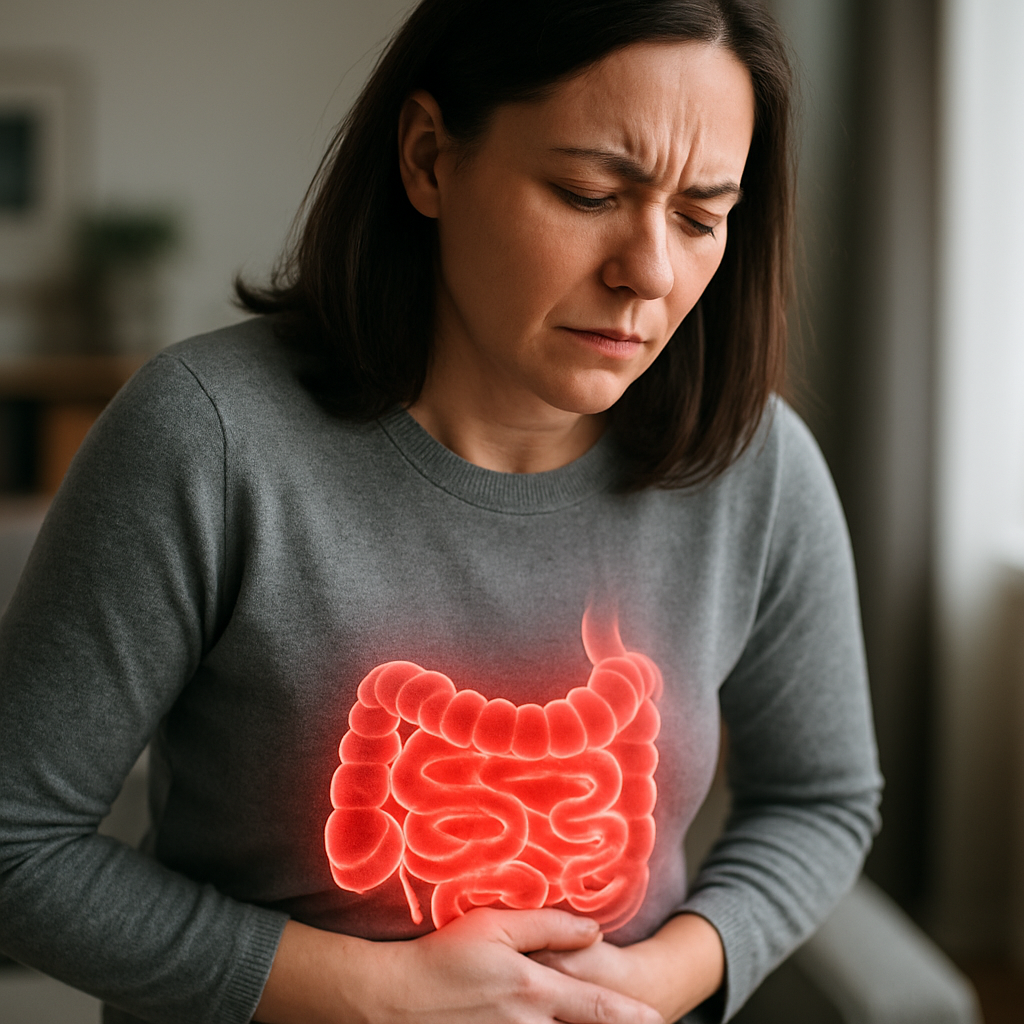
If you are experiencing left side gut pain, it is vital to distinguish between benign symptoms such as gas or bloating and more serious conditions like small intestine inflammation, diverticulitis, or issues affecting your colon. Early detection of symptoms and recognizing warning signs can help guide your decisions about when to seek medical attention, particularly if you notice changes in your digestive health, discomfort, or bowel habits. Understanding both common and worrisome symptoms supports optimal gut health and fast intervention if needed.
Understanding Left Side Gut Pain: Anatomy Involved
The left side of your abdomen houses several essential organs including parts of your small intestine, the left kidney, the colon, and, for women, the left ovary and fallopian tube. The source of pain can range from minor digestive disturbances to indications of inflammation or infection. When you notice recurring discomfort, it is important to take note of where the pain is located, its intensity, and whether additional symptoms, such as bloating or changes in your stool, are present. This anatomical awareness offers clues about whether the pain might stem from the small intestine, colon, or related structures. Trusted medical resources emphasize that digestive issues like irritable bowel syndrome are the most common causes, but more serious underlying problems should not be ignored.
Accurate self-monitoring relies on understanding where your pain is relative to your navel and ribcage. For instance, upper left abdominal pain could suggest spleen or stomach problems, while lower left pain may indicate colon or ovary involvement. An accurate timeline of symptom onset also contributes to a clearer picture for your healthcare provider.
Persistent or severe pain, especially when combined with other warning signs, may indicate the need to seek medical evaluation. A careful symptom diary that includes frequency, timing, and factors that worsen or improve pain, can further assist in diagnosis.
Common Digestive Triggers: Bloating, Gas, and IBS
Digestive triggers are among the most frequent and benign reasons for left side gut pain. When gas and bloating occur, the pain is usually crampy, may shift locations, and often improves after passing gas or a bowel movement. These symptoms tend to be uncomfortable but are typically harmless, resolving with dietary or lifestyle adjustments. Constipation, another frequent cause, brings a dull, aching feeling often coupled with a sensation of fullness and infrequent stools. Increasing fiber intake, drinking more fluids, and regular movement are usually sufficient remedies for most individuals.
Irritable bowel syndrome (IBS) also presents as left abdominal discomfort, frequently accompanied by bloating, diarrhea, or constipation. While IBS can impact quality of life, most cases do not signal a dangerous condition. However, IBS symptom flare-ups can be mistaken for more serious issues, so monitoring the persistence and escalation of pain remains important.
Sometimes, the left side pain results from poor dietary choices or transient infections of the gut. Symptoms of indigestion, dietary intolerance, and sensitivity to certain foods can all play a role in producing periodic discomfort, often alleviated by simple adjustments.
If regular digestive disturbance is interfering with daily life, consider a microbiome test or trial of targeted probiotic approaches to support gut flora, and evaluate further if symptoms fail to resolve. Regular bowel and dietary patterns are strong indicators of gut health, and their disruption should not be ignored. Get more on digestive symptom causes here.
Warning Signs of Small Intestine Inflammation
Pain on the left side can sometimes point to underlying inflammation in the small intestine or colon. When gut wall inflammation occurs, you may experience continuous, worsening pain, frequent loose stools, or even blood in your stool. Chronic mesenteric ischemia, while rare, can cause episodes of severe pain after meals due to inadequate blood supply to the intestines.
Red flag symptoms include:
- Persistent or escalating pain that does not improve with usual treatments
- Loss of appetite, unintended weight loss, or extreme fatigue
- Fever or chills accompanying abdominal pain
- Vomiting or signs of dehydration
- Visible blood or mucus in the stool
Chronic inflammation may be related to conditions like inflammatory bowel disease (IBD), which can also cause alternating constipation and diarrhea, as well as nutritional deficiencies over time. Early identification and intervention are key to preventing complications such as bowel obstruction or tissue damage. Longstanding or severe symptoms merit prompt medical assessment to determine if advanced diagnostic tests or imaging are needed.
If you experience these warning signs, do not wait for symptoms to self-resolve. Early dialogue with a healthcare provider can offer clarity, proper management, and peace of mind when navigating intestinal inflammation scenarios.
Colon and Kidney Factors Contributing to Discomfort
While the small intestine is often the culprit, left side gut pain can also arise from issues in the colon, urinary system, or, less often, the spleen. Conditions such as diverticulitis—an inflammation of pouches that can form in the colon wall—typically present with persistent, focal pain, often accompanied by fever and changes in bowel habits. Such inflammation may escalate quickly, requiring antibiotics or even hospitalization.
Meanwhile, kidney stones or kidney infections situated on the left side may produce sharp, radiating pain that extends to the lower back and sometimes leads to urinary symptoms like burning or blood in the urine. These presentations warrant swift evaluation, as untreated kidney infections or obstructed stones can progress to more critical health problems. Collaborating with your healthcare provider allows for early intervention, specialized imaging, and, if necessary, targeted therapies.
Finally, ensure that you monitor for signs of other complications, such as an abdominal hernia or splenic rupture, which, though rare, can also provoke sudden, intense pain. The urgency of medical care should never be underestimated when symptom severity escalates quickly.
Women should also remember that left-sided abdominal pain may suggest gynecologic conditions that need a different diagnostic pathway, especially if associated with menstrual irregularities or a known history of ovarian cysts.
When to Seek Help: Practical Steps and Prevention
Knowing when to consult a healthcare provider is essential for anyone coping with unexplained or persistent left side gut pain. According to medical experts, you should always seek immediate care if the pain is sudden and severe, lasts longer than a few days, or is accompanied by symptoms such as fever, vomiting, faintness, or suspicion of pregnancy (source).
Practical prevention includes maintaining a diet rich in fiber, staying hydrated, exercising regularly, and monitoring for any consistent changes in stool or urinary patterns. For those with chronic conditions such as IBS or IBD, regular follow-up and symptom tracking can be invaluable in nipping flare-ups in the bud.
Employing at-home strategies such as probiotic supplementation or gentle dietary cleanses may alleviate mild symptoms, but these should not replace professional evaluation when red flags are present. If symptoms do not improve or worsen, diagnostic testing is warranted to rule out more serious causes.
By remaining vigilant to the character and timing of your pain, along with embracing evidence-based self-care practices, you can help maintain your gut health and react promptly to any concerning developments.
Consistently tracking how you feel and communicating these changes gives your healthcare team the best tools to keep your digestive system functioning optimally.

Comments
Post a Comment