Natural Cures For Knee Joint Pain: Remedies, Herbal Relief, and Homeopathic Solutions
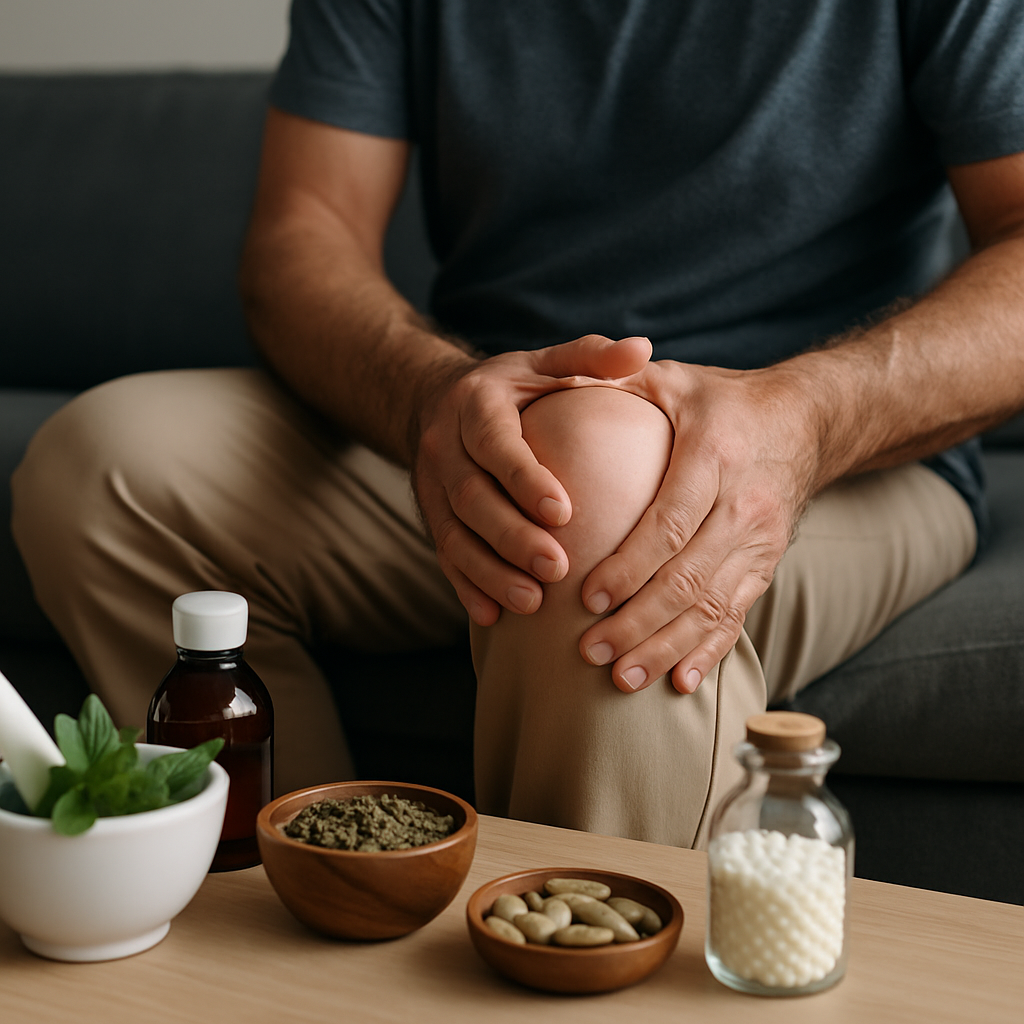
If you are searching for effective natural cures for knee joint pain, this guide explores proven remedies, including nutritional approaches, herbal methods, and homeopathic alternatives tailored for relieving inflammation and supporting joint health. Whether you experience discomfort from overuse, injury, or chronic conditions like arthritis, practical natural options exist for managing symptoms and enhancing mobility. Here, we examine science-backed treatments and holistic solutions using foods, hydration, topical therapies, supplements, and mind-body techniques to empower your path to recovery and comfort.
Dietary Approaches for Reducing Inflammation
Food choices play a key role in minimizing knee joint pain by targeting inflammation at its source. Consuming fatty fish such as salmon and mackerel, which are high in omega-3 fatty acids, may reduce joint swelling and promote flexibility. Incorporating turmeric and ginger into your meals, both containing natural anti-inflammatory compounds, can also help relieve pain associated with musculoskeletal issues and tendinitis. Leafy green vegetables further contribute by providing antioxidants that may support healing and slow the progression of cartilage breakdown.
Many people preparing homemade juice blends or incorporating these foods through juicing routines find daily relief for their right or left knee. Aim to include natural anti-inflammatory choices regularly to bolster your body’s healing mechanisms. Learn more about the role of dietary interventions and supplements for joint pain in this comprehensive article from orthopedic specialists.
Proper hydration also complements nutrition. Drinking adequate water helps lubricate joints, minimizing stiffness, and is a simple at-home remedy accessible to most individuals. Combining diet, hydration, and targeted inflammation support creates a holistic approach to knee joint wellness.
Herbal and Homeopathic Ingredients for Relief
For people seeking plant-based or alternative medicine options, certain herbal preparations and homeopathic medicine elements have evidenced benefit in knee joint pain relief. Ingredients like Boswellia (Indian frankincense) are included in herbal supplements for their anti-inflammatory properties that may ease bursitis symptoms and chronic pain. Homeopathic arnica is another commonly used remedy, sometimes applied as drops or cream patches for bruising, swelling, and pain following sprains or gaps in the knee joint.
Some individuals integrate homeopathy in combination with herb grinders to prepare custom topical mixtures at home. These blends can support healing from muscular injuries, golfer's elbow, or minor sprains that might affect the knee. While such homeopathic or herbal approaches are popular, it is important to consult with a qualified healthcare provider before adding any new supplement or making major changes to your regimen.
Homeopathy can offer menopause support or targeted musculoskeletal relief for women experiencing related joint discomfort. When carefully selected, these holistic interventions may provide an added layer of comfort for knee pain management at home.
Topical Patches, Heat, and Cold for Immediate Comfort
Direct application remedies, including heat and cold therapy and herbal relief patches, are widely used to provide quick, at-home comfort for knee joint pain. Applying a heated pad relaxes surrounding muscles, increases blood flow to the affected area, and can temporarily ease stiffness, making it an excellent remedy for both chronic issues and acute knee strain. Conversely, using a cold pack can help reduce swelling, numb the area, and control pain flares.
Certain topical treatments use herbal ingredients such as capsaicin derived from chili peppers. Regular use of these applications has been shown to significantly reduce persistent pain by targeting pain signaling and local inflammation. For example, research highlights that capsaicin patches or creams can help alleviate discomfort associated with tendonitis, muscular swelling, or wrist and thumb strains adjacent to the knee joint (UT Southwestern).
Choosing the right topical patch or rotating heat and cold therapies can make managing at-home knee pain both practical and effective, with minimal risk.
Consider creating a DIY remedy kit to keep on hand, integrating herbal patches, an electric heating pad, and a gel cold pack to address various types of knee joint discomfort as needed.
Mind-Body Techniques and Holistic Practice
Knee joint pain is not solely a physical burden; mental stress and tension can worsen symptoms or slow recovery. Integrating mind-body techniques such as meditation, deep breathing exercises, and guided imagery can promote relaxation and indirectly ease muscular tension around the knee, supporting the body's natural healing processes. Simple daily routines of mindfulness or reiki sessions offer additional layers of complementary relief for both men and women.
Tai chi and yoga, gentle movement therapies, have been shown to improve mobility, strengthen supportive muscles, and reduce future risk of sprains or gaps in the joint structure (Arthritis-Health). These approaches also address whole-body wellness, contributing to better outcomes for people managing chronic knee issues.
As with all natural cures for knee joint pain, a holistic view that includes mind-body harmony, regular movement, adequate hydration, and proper nutrition yields the greatest benefits. Each of these accessible methods can be used alone or in combination to provide individualized relief and support for healthy, mobile joints over time.
When developing a home-based plan, consider your unique lifestyle, preferences, and the guidance of a knowledgeable healthcare professional for the best, safest results.

Comments
Post a Comment