What to Know About Protein Supplements for Perimenopause and Absorption in Planet Health Nutrition
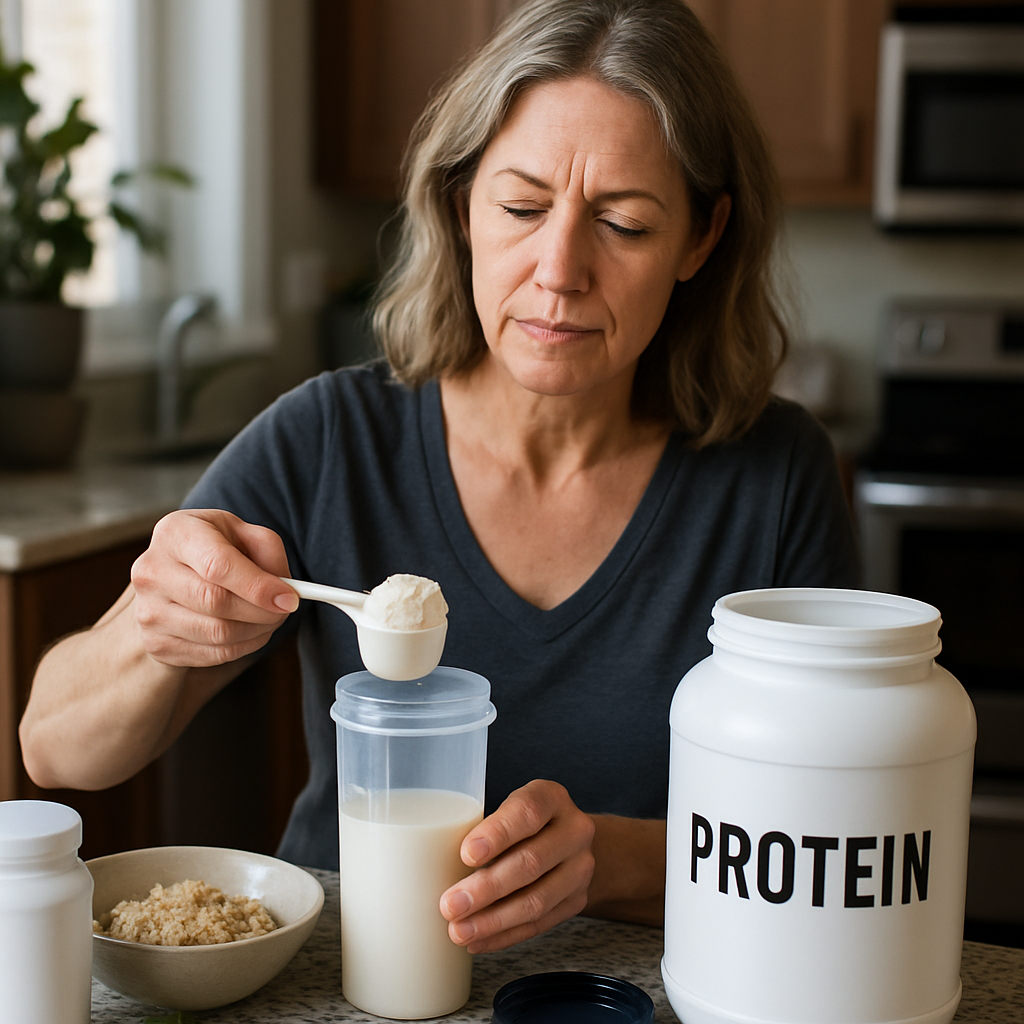
Understanding Protein Needs for Perimenopausal Women
For women experiencing perimenopause, maintaining a balanced protein intake is essential for hormone health, muscle preservation, and overall well-being. Experts recommend a daily target of 1.0–1.2 grams of protein per kilogram of body weight, with particular emphasis on quality protein sources and absorption. Because natural changes in hormones can make it more challenging to maintain muscle mass and bone density, prioritizing protein — especially plant-based options — offers an array of benefits including fiber, vitamins, minerals, and polyphenols. Choosing well-absorbed protein supplements tailored to perimenopausal women, as discussed in resources like The Health Style Doctor and Future Woman, is key for those seeking optimal results.
Types of Protein Supplements: Vegan, Whey, and More
Among the highest protein supplements available in major nutrition stores and online wellness hubs like planet health nutrition, you will find a variety of choices for perimenopausal women. Vegan protein powders such as soy, pea, and hemp have become increasingly popular due to their clean profiles and additional health benefits. Whey protein, derived from dairy, remains a top pick owing to its superior amino acid content and fast absorption. Recent trends, visible through consumer discussions on platforms like reddit and advice from health experts, indicate a move toward modular plant blends that combine several sources for a broader spectrum of nutrients.
It's critical to examine product labels for additives or artificial ingredients that could disrupt hormone balance. Pea and hemp proteins are particularly valued for their favorable absorption rates and lack of dairy, which can be important for women managing food sensitivities during perimenopause.
When considering protein supplements, always ensure your product is free from unnecessary fillers or "fake" ingredients that do not support your nutritional needs. Verify approval or necessary certifications in your region, especially when buying from international or dropshipping stores from locations like Sydney, Dublin, Bangalore, or Cairo.
Experimentation may be necessary: some women notice that vegan protein blends sit better with their digestion, while others see better muscle results with a natural bulk powder that contains whey or a combination of plant and animal sources.
Optimizing Protein Absorption for Muscle and Bone Health
Proper absorption of protein supplements is necessary to get the most health benefit, particularly for muscle growth and bone preservation in perimenopause. For optimal absorption, it's best to consume protein throughout the day rather than all at once—spreading intake across meals helps stimulate muscle protein synthesis and reduces the risk of storage as fat.
Adding protein to a meal with some healthy fat or fiber—like apple with almond butter and hemp seeds—may also enhance satiety and support blood sugar balance. The Health Style Doctor resource outlines simple snack combinations that are both convenient and high in plant protein, such as roasted chickpeas or Greek-style soy yoghurt bowls.
Some individuals may benefit from including digestive enzymes or adaptogens, like ashwagandha, to promote gut health and hormonal resilience based on expert recommendations in authoritative knowledge sources.
Nutritional House Recommendations: Practical Ways to Get More Protein
Integrating whole-food sources and supplements in your nutrition plan is easiest when you have practical, tested recipes. Try these protein-rich meal ideas tailored for perimenopausal women:
- Crumbled Tofu Stir-Fry: Sauté with spinach, turmeric, mushrooms, and nutritional yeast; serve on wholegrain toast with avocado for ~23g protein.
- Soy Yoghurt Power Bowl: Use unsweetened soy yoghurt (20g protein), mixed with walnuts, chia seeds, and berries.
- Oats with Plant Protein: Cook oats in soy milk, top with pumpkin seeds, hemp seeds, and almond butter; add a scoop of vegan bodybuilding protein powder for an extra boost, aiming for ~20g protein per bowl.
To ensure consistent absorption and maximum benefit, vary your protein sources weekly. Look for locally trusted brands that highlight their nutritional house credentials, such as ingredient transparency and absorption efficiency. When seeking advice from global specialists or purchasing online in places like Perth, Manchester, or Amman, prioritize certified, tested products.
Evaluating Good Versus Bad Protein Supplements
Navigating the supplement store landscape requires discernment, particularly to avoid "bad" protein products that may contain untested or banned additives. Reliable brands disclose the percentage of protein per serving, have third-party testing, and provide clear instructions for use. Good protein supplements will also have customer reviews—often found on social platforms like reddit or in fitness communities for teenage athletes and swimmers—supporting their quality and effectiveness.
In contrast, be wary of products with dubious claims, unrecognizable ingredient lists, or those marketed primarily through aggressive dropshipping or without established warehouse distribution channels. Approved products in recognized warehouses—such as those in Sydney, Leeds, or Hyderabad—reduce risk and provide peace of mind in terms of quality and nutrition safety.
For more insight on what to look for, credible sources like Future Woman discuss which ingredients can support or disrupt hormone balance, especially for women managing perimenopause.
Planet Health Supplement Timing: Protein for Active Women and Athletes
It's not just what you consume, but when—timing matters, especially for active women, bodybuilders, swimmers, or cyclists. To maximize absorption and muscle recovery, have a portion of a high-quality protein supplement soon after exercise. For perimenopausal women, researchers suggest that this helps maintain lean muscle and supports fat loss, which is often a goal during hormonal shifts.
Incorporate protein into every main meal, and use protein shakes, bars, or whole-food snacks during busy schedules or when traveling. This flexible approach aligns with the realities of modern life in fast-paced cities like Brisbane, Calgary, or Manchester, where meal prepping can be challenging.
In sum, whether you are considering vegan or whey protein, or exploring modular blends, focus on reputable nutrition store products, prioritize absorption and ingredient transparency, and adapt your protein timing and choices to your unique lifestyle and health needs as you move through perimenopause.
For a detailed guide to simple, high-protein meal ideas and specific supplement recommendations, refer to the practical examples provided by The Health Style Doctor.

Comments
Post a Comment