Why Am I So Bloated I Look Pregnant: Stomach Feels Heavy After Eating and How to Fix It
Understanding Severe Bloating That Makes You Look Pregnant
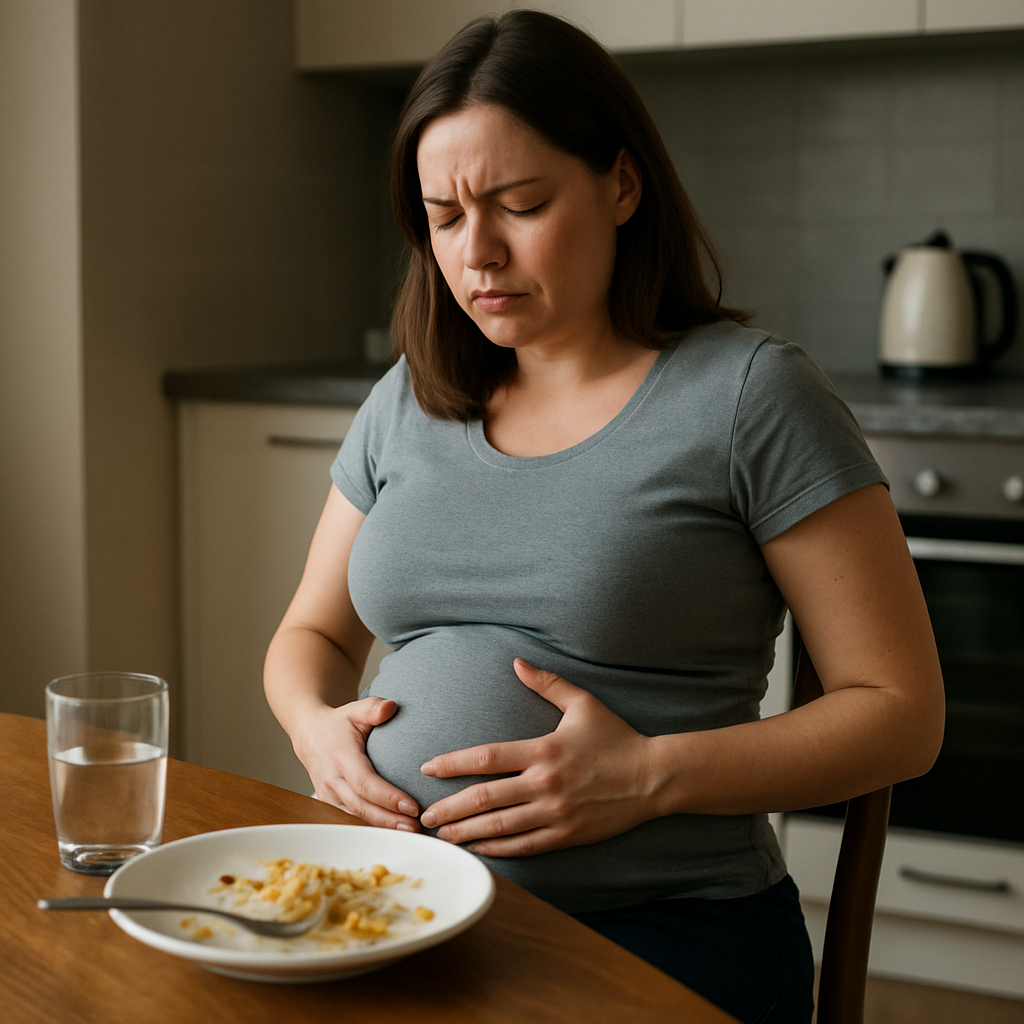
Feeling so bloated that your stomach appears distended, almost as if you look pregnant, is a frequent concern for many people. This sensation is commonly caused by rapid accumulation of gas or fluids in the digestive tract, especially after eating, resulting in tightness, discomfort, and even pain. The most common reasons include eating too quickly, consuming gas-producing foods, food intolerances, or digestive issues—many of which can be addressed through adjustments in diet and habits. If you wonder why your stomach feels heavy after eating and need to relieve this uncomfortable bloating, there are clear actions and remedies based on medical insights and up-to-date nutrition advice (source).
Common Dietary Triggers: How Food Choices Affect Your Abdomen
Food is a fundamental factor in both causing and alleviating bloating. High-fiber foods—when added too rapidly or without proper hydration—can overload the gut and make your stomach feel hard or heavy. Bananas and watermelon, rich in potassium and water, help purge excess sodium, which is a key player in fluid retention and bloating (source).
Papaya stands out for its enzyme content, supporting protein digestion and easing fullness. On the other hand, meals high in salt, greasy foods, or heavy with sugar substitutes including sorbitol, xylitol, and mannitol can delay digestion and allow gas to build quickly. Being mindful of what you eat and how your body responds can be a first step to finding relief.
Some women notice that menstrual cycle changes can significantly affect abdominal bloating. Fluctuations in hormones often play a role in water retention and digestive changes, compounding the feeling of heaviness.
For some individuals, underlying sensitivities like lactose or fructose intolerance further complicate the body's ability to process certain foods, directly resulting in uncomfortable abdominal distention (NYGA Health).
Digestive Habits: Why Speed and Style of Eating Matter
One of the most overlooked causes of feeling bloated and looking pregnant is simply eating too fast. When you consume food rapidly, you swallow excess air and overwhelm your digestive system, making it difficult for the gastrointestinal tract to process food efficiently. This can lead to a quick buildup of both gas and fluid in the stomach, contributing to that distended, heavy feeling right after meals (Northwestern Medicine).
To minimize the stress on your stomach, practice eating smaller portions and chewing thoroughly. Avoid talking while chewing and limit the consumption of carbonated beverages and gum, which can increase air intake. Slow, mindful eating lets your body signal satiety more effectively and reduces the likelihood of backup and discomfort.
Building these healthy habits takes time, but each conscious choice adds up to less bloating and a lighter, more comfortable belly.
Hidden Causes: Fluid Retention, Hormones, and Sensitivities
When bloating does not resolve with dietary adjustments, consider other factors such as hormonal fluctuations, fluid retention, or digestive sensitivities. For many women, water retention tied to the menstrual cycle or hormonal imbalances can create a substantial change in abdominal shape and sensation. Symptoms are often worse before or during menstruation, making the stomach feel harder and more distended.
Aging and slowing digestive systems can also allow more gas to accumulate, with some people noticing their bloat worsens with age (Harvard Health). Additionally, food intolerances—such as those involving lactose, fructose, or even gluten—are common culprits that should not be overlooked. High intake of sodium may cause your body to retain extra water, making the feeling of heaviness worse.
Rarely, overgrowth of bacteria in the small intestine (SIBO) or other digestive tract disorders can also mimic these symptoms. If bloating is persistent, severe, or accompanied by other symptoms such as weight gain or changes in bowel habits, it is important to consult a healthcare professional for tailored guidance.
Men can also experience these symptoms, often due to similar dietary and digestive causes, so this advice is broadly applicable irrespective of gender.
Relief Strategies and Home Remedies for Women and Men
Tackling bloating that causes your stomach to look pregnant often starts at home. Focus on hydrating with water-rich fruits, increasing soluble fiber gradually, and reducing foods high in artificial sweeteners. Peppermint oil is known to ease meal-associated bloating and aid digestion, providing a natural alternative for short-term relief (Northwestern Medicine).
Physical activity, even light walking after eating, helps push digestive gases through the intestines and reduces fluid build-up. Gentle stretching—such as lying on your back and drawing one knee at a time towards your chest—places helpful pressure on the abdomen and assists in moving trapped gas. Establishing a regular exercise routine is also a powerful long-term strategy to both prevent and manage persistent bloating symptoms.
Mindful eating, staying hydrated, and being aware of personal triggers are foundational steps to addressing heaviness after meals. If your symptoms persist, disrupt daily living, or come with pain, consult your health provider for evaluation of underlying causes.
With these evidence-based approaches and awareness of dietary and lifestyle factors, most people can find significant relief from post-meal bloating and regain confidence in their digestive health.

Comments
Post a Comment