Treatment For Spastic Colon: Managing Abdominal Pain, Antibiotics, and Gut Imbalance
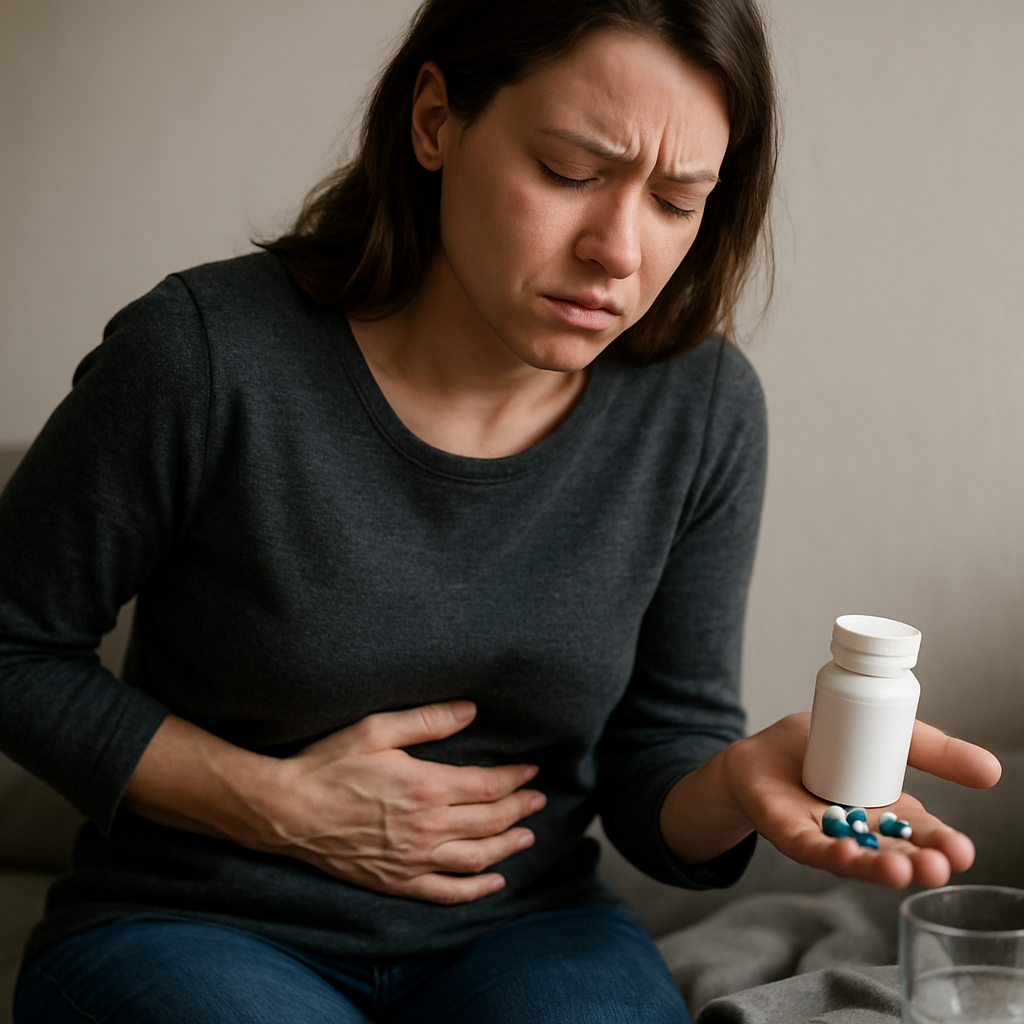
People struggling with spastic colon (sometimes called irritable bowel syndrome or IBS) often experience abdominal pain and digestive fluctuations that disrupt daily life. Effective treatment approaches address not only the symptoms but also root causes such as gut microbiome imbalance and the impact of medications like antibiotics. By understanding how gut health relates to conditions like spastic colon, you can take targeted action to ease discomfort, restore digestive regularity, and support long-term wellness.
Understanding Spastic Colon and Its Connection to Gut Bacteria
Spastic colon is characterized by recurring abdominal pain and changes in bowel habits that are not explained by structural abnormalities. Increasing evidence points to a key role for the gut microbiome—the vast population of bacteria residing in your intestines—in this condition. When the balance between beneficial and harmful microbes is disturbed, symptoms like bloating, diarrhea, or constipation can worsen (source).
Antibiotic use is one common trigger for this imbalance. While necessary for eliminating infections, antibiotics may wipe out helpful bacteria, decreasing overall microbial diversity. Such changes can lead to increased gut sensitivity and abnormal intestinal contractions—the hallmarks of a spastic colon.
Stress, diet, and even gastrointestinal infections can also shift your microbiome composition, making the intestine more reactive and sensitive. Recognizing these relationships is the first step in improving outcomes for anyone facing persistent digestive symptoms.
Identifying your personal symptom patterns and potential triggers helps tailor the right support strategies. Laboratory tests sometimes reveal specific harmful bacteria overgrowth or deficiencies in beneficial strains, guiding treatment with precision.
Addressing Abdominal Pain: Practical Approaches
Managing abdominal pain requires a comprehensive look at your routine, triggers, and underlying gut health. Dietary adjustments—such as increasing fiber intake with supplements or whole foods—can help normalize bowel function for some individuals. Others benefit from reducing intake of ultra-processed or high-fat foods that exacerbate symptoms.
Gentle exercise supports healthy gut motility, while stress reduction techniques (like mindfulness or relaxation exercises) may decrease frequency and intensity of spasms. A symptom diary can be helpful for discovering patterns and collaborating effectively with your healthcare provider.
When pain persists, short-term use of antispasmodic medications or low-dose antidepressants prescribed by a specialist might be recommended. However, these are typically reserved for cases where lifestyle changes are not sufficient to bring relief.
It is vital to avoid excessive use of over-the-counter laxatives or antidiarrheals, as these can worsen overall gut balance and make spastic colon symptoms more unpredictable.
Although some people report that probiotics help, scientific evidence is variable and individualized. Choosing a high-quality product or increasing prebiotic-rich plant foods may support your efforts, but changes should be discussed with a medical professional for safety and efficacy (source).
The Impact of Antibiotics and Maintaining Microbiome Diversity
Antibiotics are a valuable tool for treating bacterial infections, but they can also disrupt the balance of your gut bacteria. Even short-term courses may lead to constipation, diarrhea, or sudden changes in stool consistency, which can aggravate a spastic colon.
Restoring microbiome diversity after antibiotic use involves eating a wide variety of plant-based foods, such as fruits, vegetables, whole grains, and legumes. This dietary diversity helps rebuild healthy gut communities and encourages the return of beneficial bacteria.
Limiting processed and sugary foods is recommended, as these may feed harmful bacteria or yeast, creating additional imbalance. Emphasizing fiber and resistant starches gives the good bacteria the fuel they need to thrive.
If you've recently completed an antibiotic prescription and are experiencing increased discomfort, discuss options for supplemental probiotics or consider consultation with a gut health specialist to explore microbiome testing and personalized interventions.
Lifestyle Changes Beyond Diet: Supporting Gut and Immune Health
Physical activity and quality sleep both play important roles in gut health. Regular exercise helps to regulate bowel movements and can reduce anxiety, a known factor in spastic colon symptom flare-ups. Likewise, setting a consistent sleep schedule may decrease inflammation and support healing of the gut lining.
Strategies for reducing mental stress—such as cognitive behavioral therapy (CBT) or guided relaxation—are proven to benefit those with irritable bowel conditions. Since the gut and brain communicate closely, improving mental well-being can decrease sensitivity to otherwise mild triggers.
Staying hydrated with water or non-caffeinated herbal teas and avoiding smoking also make a difference. A holistic approach may reduce both physical symptoms and overall illness frequency.
Patients with frequent infections or who require multiple antibiotic treatments should remain vigilant about changes in digestion, as repeated disturbances to microbial balance can set patterns that persist long after the medication is stopped.
When to Seek Professional Support for Digestive Imbalance
Persistent abdominal pain, constipation, or diarrhea, especially when accompanied by blood, weight loss, or fever, requires prompt medical evaluation. These could signal more serious conditions, such as inflammatory bowel disease or infections that need specific treatment (source).
Even for those with clear signs of spastic colon, regular monitoring is important. Diagnostic evaluation can rule out complications and ensure you receive support tailored to your current health needs. For those considering fiber supplements, probiotics, or new medications, always consult your healthcare provider for guidance.
With early attention to microbiome health and practical daily adjustments, people living with spastic colon can decrease pain, regulate digestion, and avoid the cycle of chronic discomfort and flare-ups.

Comments
Post a Comment