What Do Superior Mobile Health Reviews Reveal About Trends in Healthcare Applications?
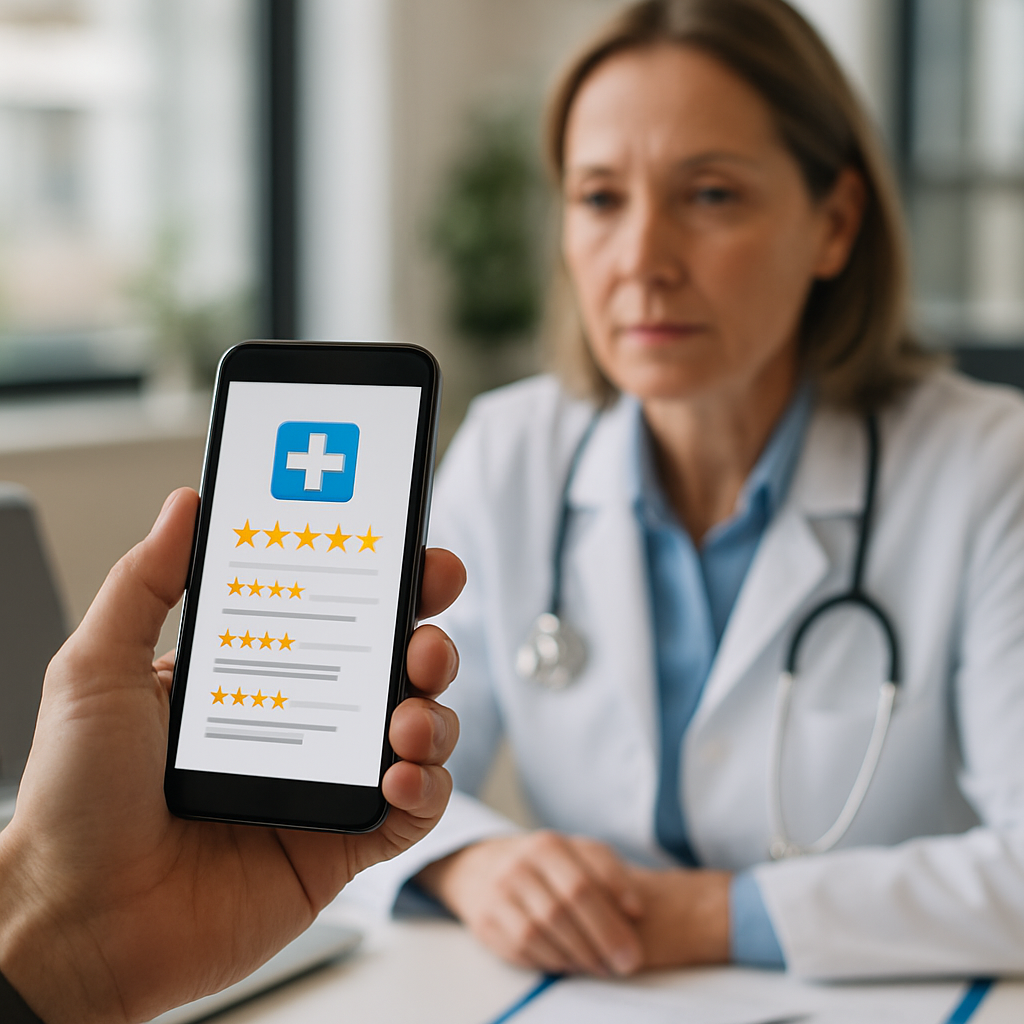
Understanding Feedback: The Role of Patient Experiences in Mobile Healthcare
Superior Mobile Health reviews give clear insight into the strengths and ongoing trends of mobile healthcare applications. Most users and healthcare professionals acknowledge rapid improvements in patient transport, team professionalism, and support for diverse patient needs. Individuals who have interacted with Superior Mobile Health frequently highlight compassionate care and a seamless application of phone-based service delivery, supporting positive trends in healthcare technology adoption. For those considering mobile health solutions, real-world feedback offers a valuable preview of the practical impacts and limitations of these innovations.
Patient testimonials offer unfiltered insights into how technology manifests in care quality and accessibility. Reviews from local users and healthcare staff often focus on the responsiveness of mobile health teams and their ability to adapt care protocols based on individual needs. Key narratives include successful transitions for patients with high anxiety and elderly individuals resistant to intervention, underscoring that empathy—delivered through a phone-based logistics application—remains central to effective healthcare.
By collecting opinions from both patients and institutional administrators, these reviews form a trending data set valuable for ongoing improvement. Mobile health competitors frequently analyze these responses to calibrate their own service offerings, spurring innovation in user interfaces and seamless integration between devices and healthcare centers. As mobile health technology advances, patient stories continue to shape which application features are prioritized for future updates.
- Patient confidence in mobile transport is repeatedly linked to successful outcomes.
- Expert staff adaptability in stressful scenarios sets the competitive standard for services.
- Responsiveness to feedback propels iterative improvements in app-based care delivery.
Application of Phone-Based Care Devices: Seamless Service and Real-World Challenges
The integration of phone-based care devices within Superior Mobile Health's workflow is a critical factor referenced in reviews. Efficient dispatch, scheduling, and communication all rely on strong mobile interfaces. Practical use cases, such as maternal transport and transitions for patients with strong treatment resistance, highlight both the advantages and occasional challenges of these health applications. The reviews found at Superior Mobile Health's own homepage highlight real scenarios where patient apps were pivotal in coordinating immediate and precise intervention, sometimes helping to avoid hospital delays or prevent care missteps.
Despite advances in seamless communication, passing issues are sometimes recorded—such as when high user loads slow interfaces or when connectivity in certain zones leads to scheduling delays. These minor problems are typically resolved through rapid updates, with app developers monitoring user trends through direct feedback to prioritize bug fixes or feature enhancements. Regular summary reports and weekly feedback cycles are frequently referenced by development teams aiming for continuous progress.
One consistent trend across Superior Mobile Health reviews is the perceived reduction in wait times and smoother transfer of patient data. This efficiency helps healthcare practitioners focus on clinical decision-making while reducing the stress of logistics. The inclusion of screening and monitoring features within the apps benefits both clinicians and patients, offering real-time updates and reminders.
Quantifiable advantages—like reduction in missed appointments and improvement in patient adherence to care plans—demonstrate the system's effectiveness. As these statistics are tracked through robust data analysis and securely stored within the application, organizations make data-driven decisions that further the overall quality of mobile health services.
Service Quality: Human Touch in a Digital Health Marketplace
Technology is only as effective as the professionals operating it. Reviews for Superior Mobile Health consistently note how parental involvement, empathetic staff responses, and comprehensive care coordination surpass generic expectations. Administrators and patients alike emphasize teamwork among staff and a commitment to prompt service, both of which support broader market targets for patient safety and satisfaction.
Ongoing patient screening, facilitated by both in-person evaluation and phone-based documentation, enables tailored care plans. Trends in these reviews show heightened appreciation for mobile health solutions that respect the unique complexities of situations, such as when an elderly patient refuses treatment but later consents after positive, patient-centered communication.
The adoption rate of these services has also sparked competition among health systems and application developers to raise their standards, as seen in the ongoing efforts of companies like Samsung and Huawei referenced within industry analyses. Superior Mobile Health distinguishes itself by combining dedicated personnel with the latest ios and android system integrations—an approach validated by user and staff testimonials on their external platforms.
Quantitative Outcomes: Data Analysis and Market Size Indications
Aggregated Superior Mobile Health reviews contribute valuable data for healthcare industry analysis. Trends in narrative data—such as reductions in failed transfers and high caregiver satisfaction—are closely monitored by research centers looking to quantify the system's effects. These data contribute to annual market size assessments and the evaluation of service competition, especially as new application features roll out year by year.
Monthly and weekly reports generated from analyzed reviews help organizations pinpoint areas for software enhancement or additional staff training. These cycles align with industry-wide goals to minimize errors and shorten response times in both urgent and regularly scheduled appointments. Data privacy, protected via tailored system protocols, reassures users that both qualitative feedback and monitored statistics are used solely to enhance patient outcomes.
Comparisons across global markets—particularly in Canada, Singapore, and emerging regions—show that positive reviews directly influence adoption trends. As more users rely on mobile health technology, companies use targeted analysis to determine the most valued services and the body of solutions needed to stay ahead in a crowded digital healthcare marketplace.
The Pros and Cons: Expert-Driven Evaluation of Mobile Health Solutions
Expert synthesis of Superior Mobile Health reviews identifies clear benefits as well as occasional drawbacks. Advantages named by both patients and staff include the reduction of logistical uncertainty, a strong trend toward patient satisfaction, and highly adaptive care delivery. Seamless one-touch scheduling and robust screening in healthcare applications are cited as transformative for women, elderly populations, and those in rural areas.
On the other hand, some users report occasional issues such as inconsistent data synchronization between devices or frustrations related to the learning curve of new applications. These cons are usually short-lived, as frequent data analysis allows rapid iteration and user support upgrades.
Industry experts and analysts encourage ongoing research and engagement with user reviews as a core mechanism for shaping application goals and defining new system targets. This user-centered, expert-driven approach ensures that as market size grows and competitor entry increases, the focus on safe, expert-guided patient solutions remains steadfast.
Overall, real-world Superior Mobile Health reviews showcase the strong effects of mobile health application technology on patient outcomes, service quality, and competitive standards in modern healthcare systems.

Comments
Post a Comment