What to Know About Iron Deficiency Post Pregnancy and Its Impact on Anemia and Koilonychia
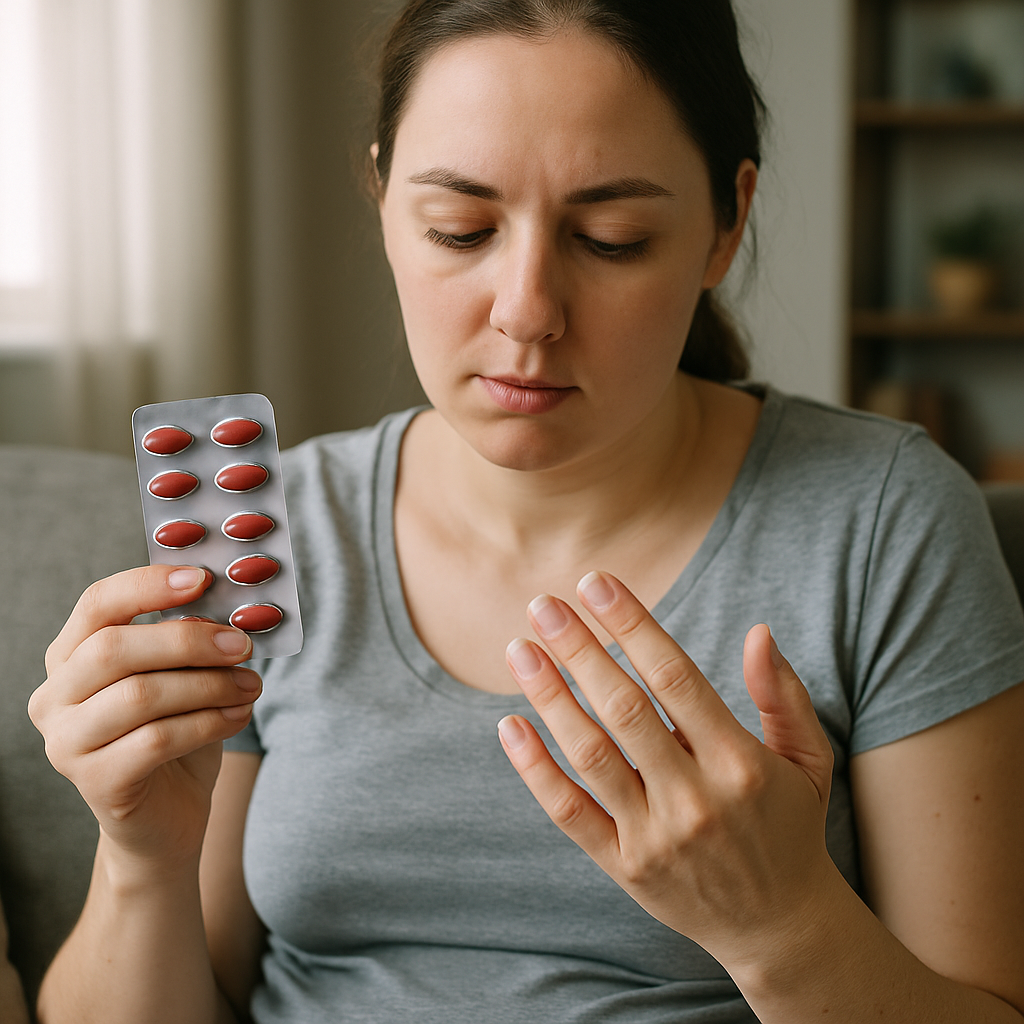
Understanding Iron Levels After Pregnancy: Early Signs and Long-Term Effects
Iron deficiency after pregnancy is not uncommon, especially for those who have experienced heavy bleeding during delivery. Left unchecked, low iron levels can linger for six to twelve months post-birth and may manifest as fatigue, irritability, or even visible changes like brittle nails. Women with significant postpartum blood loss should prioritize iron testing and correction, as low iron is a leading contributor to postpartum anemia and can ripple into complications such as koilonychia, a classic symptom of chronic deficiency. Immediate recognition and intervention offer the best chance for a healthy recovery and improved quality of life. For an authoritative overview of postpartum iron deficiency, visit Pink Stork.
Key Causes and Risk Factors for Low Iron in the Postpartum Period
Significant blood loss during childbirth is one of the primary triggers for iron deficiency after pregnancy. Factors such as cesarean deliveries, complicated labor, or pre-existing anemia can increase this risk, making monitoring all the more essential. It is well documented that even modest blood loss can tip the iron balance unfavorably for many women.
Iron reserves are often depleted further when a new mother is breastfeeding, as lactation increases the demand for essential nutrients, including iron. In addition, nutritional factors like limited intake of iron-rich foods such as spinach and pepper, or poor absorption due to underlying gastrointestinal issues (such as achlorhydria), can make matters worse.
Studies show that certain populations face elevated risk. Low-income women, according to ScienceDirect, may be disproportionately affected, highlighting the importance of targeted health support and dietary interventions in these groups.
Underlying medical conditions, from chronic kidney disease (CKD) to the use of certain medications (like ranitidine or SSRIs associated with iron metabolism changes), may also contribute to postnatal iron challenges.
Recognizing Physical and Mood Symptoms Linked to Deficiency
Postpartum iron deficiency manifests through both physical and neurological symptoms. Fatigue and weakness are often the most prominent complaints, but many women also report cold intolerance, dizziness, and shortness of breath, signals often dismissed as normal adjustments to new motherhood.
Brittle, spoon-shaped nails, known as koilonychia, are a classic physical sign that signals prolonged iron depletion. Skin pallor or conditions like chlorosis and unusual hair loss might develop as well, further emphasizing the body’s need for adequate erythropoietin and hematologic restoration.
Mental symptoms are just as significant. Brain fog, depressive feelings, and even dissociation can occur as a consequence of anemia, especially if the deficiency is severe enough to affect neurotransmitter balance or oxygen delivery to brain tissue.
It is especially important to discuss recurring symptoms with your doctor or midwife; persistent, unexplained exhaustion or mood changes should be evaluated quickly to avoid complications in the interaction between iron deficiency, hypertension, or blackouts. More on monitoring and treating these symptoms can be found in resources on postpartum anemia.
How Iron Deficiency Can Lead to Anemia, Koilonychia, and Other Complications
Failure to restore iron stores post-pregnancy can have a cascade of negative effects beyond simple tiredness. Anemia, marked by low hemoglobin and red cell counts, develops when iron levels can no longer support adequate oxygen transport in the blood. This can result in exercise intolerance, worsening of cardiovascular problems such as hypertension, and impaired wound healing after delivery.
In chronic cases, complications like koilonychia—nail changes that are not just cosmetic—signal longstanding disruptions in iron-dependent tissue synthesis. Some may also notice increased vulnerability to infections, highlighting iron’s role in the immune response.
Children may also be affected through breastfeeding if maternal iron stores are critically low, emphasizing the link between postnatal maternal iron status and childhood iron deficiency. Women with persistently low iron can also become more susceptible to cognitive issues, particularly when cycling or performing other demanding tasks, due to reduced oxygenation.
Histological examination of blood films may reveal dacrocytes (teardrop-shaped red cells) and other abnormal features, reinforcing the need for regular monitoring and intervention.
Clinical data make it clear that untreated iron deficiency can escalate to life-limiting complications, with far-reaching impact on postpartum recovery.
Diagnostic Strategies: Testing and Monitoring Iron Status
The diagnosis of postpartum iron deficiency is based on a careful combination of clinical evaluation and laboratory tests. The most common panels include serum ferritin, hemoglobin, transferrin saturation, and erythropoietin levels. Results below reference ranges often confirm a diagnosis; for example, ferritin under 12 μg/L signifies depleted iron reserves, while low transferrin saturation strengthens suspicion for deficiency states.
Patients are sometimes evaluated using ICD-coded medical encounters, enabling structured follow-up and epidemiological studies. Direct inquiries about symptoms like weakness, blackout spells, and changes in nail or skin quality offer additional clues. For women with coexisting hypertension or chronic disease, more frequent monitoring may be needed.
To supplement testing, clinicians may review dietary intake—particularly for iron-rich foods (spinach, pepper) and absorption inhibitors (high calcium, certain plant compounds). Interaction with medications (e.g., ranitidine reducing gastric acidity and thus iron absorption) is also reviewed.
Awareness and collaboration between patients and healthcare providers are essential for early detection and prompt management, minimizing the risk for serious complications in future pregnancies or long-term health.
Supportive Nutrition, Lifestyle Adaptations, and When to Seek Help
Dietary strategies form the foundation of recovery for postpartum iron deficiency. Increasing intake of highly absorbable heme iron (found in lean meats) and non-heme iron (from vegetables like spinach and pepper) is strongly advised. Pairing iron-rich foods with vitamin C-containing items such as lemon enhances absorption, while reducing intake of inhibitors like black tea or calcium-rich foods during iron meals can optimize results.
Supplements, often recommended by a healthcare professional, fill in gaps left by dietary challenges. Iron formulations that include supporting elements like berberine and shilajit may improve uptake and energy levels, though medical guidance is essential to prevent overload and minimize gastrointestinal side effects such as nausea or constipation.
Lifestyle modifications—balancing activity and rest, managing stress, and getting adequate sleep—help the body recover its reserves. New mothers should also remain aware of medication interactions, for instance, selective serotonin reuptake inhibitors (SSRIs), which can sometimes affect iron metabolism and mood. Persistent symptoms warrant a thorough evaluation to rule out secondary causes like hidden bleeding, autoimmune conditions, or rare disturbances in erythropoietin synthesis.
If you experience ongoing symptoms, sudden worsening, or have a medical history of anemia, early consultation with your healthcare provider is essential. For further reading and evidence-based advice on iron deficiency and its management in the postpartum period, visit Pink Stork's blog.
Restoring healthy iron levels after childbirth is vital for preventing anemia, reversing physical signs like koilonychia, and supporting energy, wellness, and maternal recovery in the postnatal months.

Comments
Post a Comment