What Is the Obligate Parasite Definition in Plant Pathology for Fungi, Bacteria, and Viruses?
Understanding the Role of Obligate Parasites in Plant Pathology
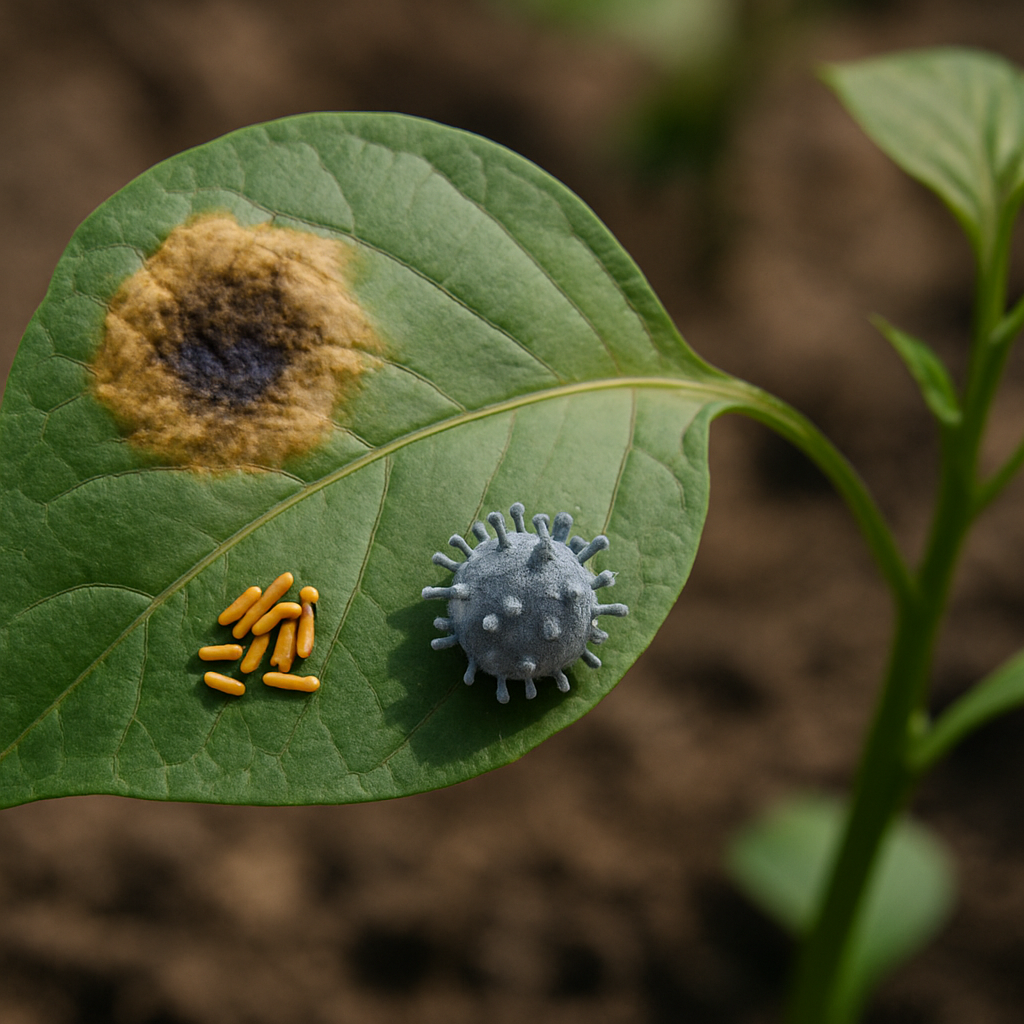
Obligate parasites in plant pathology are organisms that rely entirely on living host plants to complete their life cycles. Unlike facultative anaerobes, which can survive in various conditions, obligate parasites – including fungi, bacteria, and viruses – must exploit the plant's living tissues for nourishment, habitat, and reproduction. Their unique biology has significant implications for controlling plant diseases, as only targeted strategies focusing on the complex host-parasite interaction can effectively manage their spread and impact. This article explores the definition, mechanisms, and examples of obligate parasites in the context of plant pathology, focusing on acellular and cellular parasites, including obligate intracellular parasites which are particularly important among viruses and certain bacteria.
Characteristics of Obligate Parasites in Plants
Obligate parasites, also known as holoparasites, exhibit a strict dependence on living hosts. This group includes not only various fungi but also important acellular agents such as plant viruses. They are highly specialized, often having lost many metabolic pathways, thereby making them incapable of surviving without their host's resources. For instance, obligate intracellular parasites such as viruses and some bacteria need to be within a plant cell to replicate and survive (Biology Online).
One of the defining features of obligate parasites is their inability to persist in the environment independently; outside the host plant, they cannot maintain essential functions. This contrasts sharply with facultative parasites, which can live, albeit less successfully, apart from their hosts. For plant pathologists, understanding this dependency is crucial in devising intervention strategies that disrupt the host-parasite relationship.
Parasitic strategies adopted by these pathogens often involve subtle manipulation of plant physiology. They may suppress plant defenses, induce physiological changes, or manipulate cell signaling to create conditions favorable for growth and reproduction. The close co-evolution of these parasites with their plant hosts has led to a finely tuned relationship, with significant consequences for crop health and yield.
Obligate Intracellular Parasites: Viruses and Specialized Bacteria
Obligate intracellular parasites are a significant subset of obligate parasites in plant pathology. Plant viruses, for instance, are quintessential acellular parasites; they lack independent metabolic activity and require the machinery of a living plant cell to reproduce. Similar principles apply to some pathogenic bacteria, particularly those that have evolved to evade plant immune responses by living and multiplying only inside plant cells (Wikipedia).
These obligate intracellular parasites exploit their hosts in various ways. Viruses introduce their genetic material into host cells, hijacking the plant's own processes to produce viral components. The cell then assembles these components into new virus particles, which can spread systemically through the plant, often leading to widespread disease symptoms.
Certain bacteria, though not all, have similarly adapted to an intracellular lifestyle. These might be classified as aerobic bacterium or, less commonly in plants, facultative anaerobes. Their entry and persistence within plant cells enable them to avoid host defenses, making management especially challenging. Fundamental understanding of these acellular and cellular parasites informs both diagnostics and disease management in crops.
For both viruses and intracellular bacteria, the mode of transmission is shaped by their obligate relationship with the plant host. Many rely on insect vectors to move from one plant cell or organism to another, adding layers of complexity to disease control.
Examples of Fungi, Bacteria, Viruses, and Protozoan Obligate Parasites
Several prominent obligate parasites exemplify the diversity and pathogenic potential of these organisms:
- Fungi: Species such as Puccinia graminis (wheat stem rust) are notorious for devastating cereal crops. These fungi cannot complete their life cycle without infecting living plants, making them prime examples of holoparasites.
- Bacteria: Xylella fastidiosa and Phytoplasma species are notable obligate bacterial pathogens in plants, requiring host tissues for multiplication and spread.
- Viruses: The Tobacco Mosaic Virus (TMV) demonstrates classic acellular parasite behavior, relying entirely on plant cellular machinery for replication and movement.
- Protozoan parasites: Though less common in plant pathology, some protozoans can act as obligate parasites, illustrating the broad biological scope covered by this term.
These examples highlight the fact that obligate parasitism in plant pathology cuts across multiple biological categories – from fungi and bacteria to viruses and protozoa. Their commonality lies in the exclusive reliance on living plants for survival and reproduction, shaping their epidemiology and impact on agricultural systems.
Identifying specific cases in your region or in crops of interest often requires specialist laboratory diagnostics, given the subtle symptomatology and overlapping clinical presentations of different obligate parasites.
Understanding these examples informs both resistance breeding and targeted agrochemical intervention, supporting sustainable crop production.
Plant Pathology and Control Strategies for Obligate Parasites
Managing obligate parasites requires tailored strategies rooted in an understanding of their biology. As they cannot survive without living hosts, crop rotation and the removal of infected plant material are effective control measures. These strategies reduce the availability of susceptible hosts, disrupting the obligate parasite's life cycle (ScienceDirect).
Breeding for genetic resistance remains an essential approach. Since obligate parasites often adapt specifically to their plant hosts, deploying resistant crop varieties can significantly reduce disease incidence. However, the rapid evolution of some acellular and intracellular parasites means that resistance may not be durable over long periods.
Chemical control is challenging, especially for acellular and obligate intracellular parasites like viruses; for these, indirect management such as vector control is often the only option. In contrast, some obligate parasitic fungi and bacteria can be targeted with fungicides or bactericides, though timing and application remain critical.
Integrated Pest Management (IPM) approaches combine cultural, genetic, chemical, and biological tactics to address obligate parasite challenges comprehensively. Farmer training and surveillance are also vital, enabling early detection and rapid intervention when new obligate parasites emerge in agricultural regions.
Keeping abreast of current research and deploying flexible management plans allows for more sustainable agricultural production in the face of evolving obligate plant pathogens.
Significance of Understanding Obligate Parasite Biology in Plant Pathology
A comprehensive grasp of obligate parasite biology is essential for both scholars and practitioners in plant pathology. Their dependency on hosts shapes not only the patterns of plant disease outbreaks but also directly influences breeding, management, and diagnostic practices. Advances in molecular biology are continually revealing the sophisticated mechanisms obligate parasites employ to colonize host plants and suppress their immune responses.
Improved understanding enables the prediction of disease outbreaks and the development of early-warning systems. Scientists studying the evolutionary relationships between obligate parasites and plants gain valuable insights into resistance mechanisms and host range expansion. This has important practical implications for maintaining global food security amid climate change and shifting agricultural practices.
Because obligate parasites can lead to severe disease outbreaks when unchecked, awareness of their unique characteristics empowers more effective disease management at both local and global scales.
Ultimately, prioritizing research and outreach on obligate parasites will continue to be a cornerstone of plant pathology and sustainable agriculture.

Comments
Post a Comment