What Makes Star Fruit and Dragon Fruit Unique in Color, Taste, and Nutrition?
Understanding the Distinct Identities of Star Fruit and Dragon Fruit
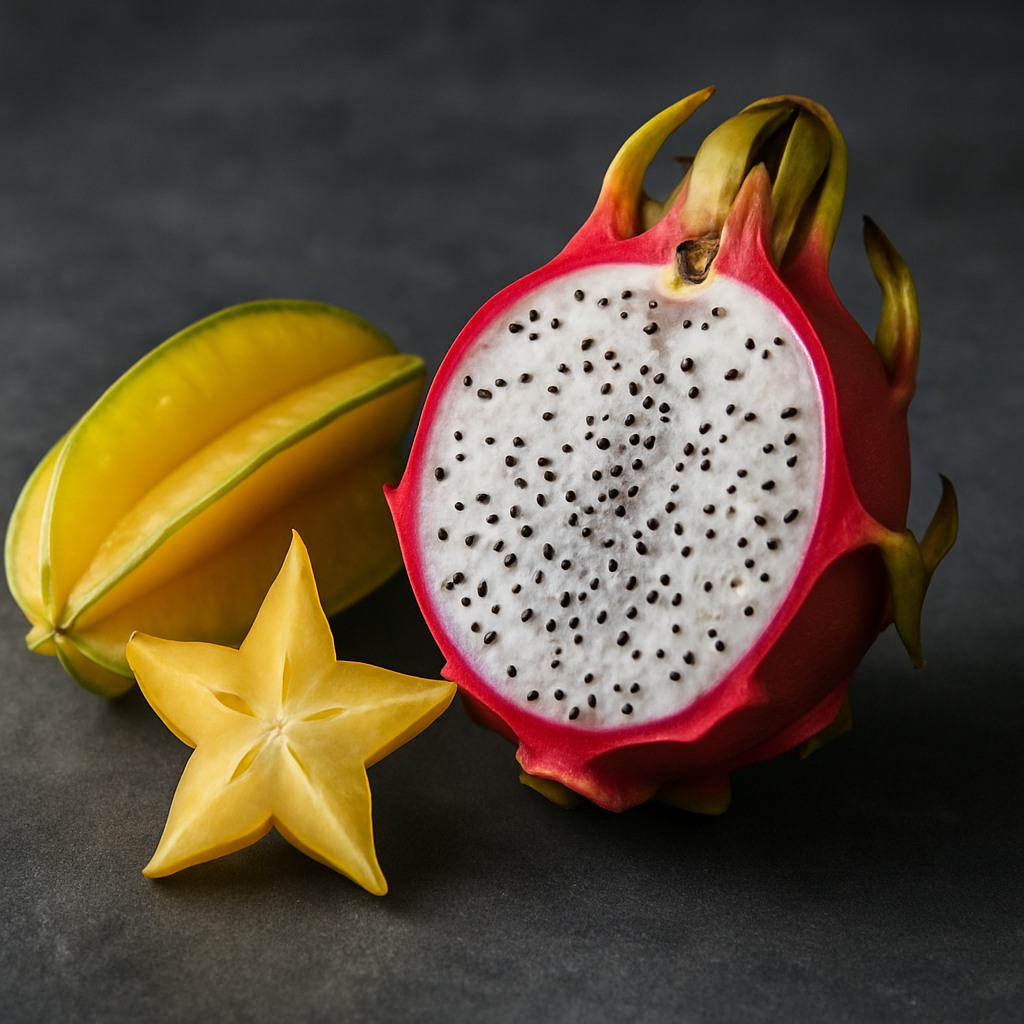
Star fruit and dragon fruit are not the same—these exotic fruits are unique in appearance, flavor, and nutritional content. While star fruit, also known as carambola, comes from a tree and forms beautiful yellow, star-shaped slices, dragon fruit grows on a cactus and is recognized by its vibrant red or yellow skin and speckled, sweet interior. Both fruits add color and intrigue to your bowl, but they each stand apart for their nutrition and taste profiles. To understand their differences, it is helpful to consider their background, typical species, and the flavors they bring to dishes (source).
Visual Appeal: Color and Skin Variations
Star fruit is celebrated for its translucent yellow skin and unique star shape when sliced, creating an appealing garnish or focal point in salads. The color of the star fruit is often an indicator of its ripeness—deeper golden yellow means it is at its sweetest. In comparison, dragon fruit dazzles with either bright red, pink, or yellow skin and scales, offering an eye-catching, almost artistic exterior that easily stands out in any fruit bowl.
Inside, dragon fruit reveals a contrasting white, red, or even purple flesh scattered with tiny black seeds. These color variations make both fruits favorites for food artists and photographers looking for a tropical background for recipes and salads. While the star fruit’s semi-transparency and symmetry are ideal for garnish, the dragon fruit’s bold color palette adds drama and vibrancy to any dish.
The aesthetic attraction of both these fruits is one reason they remain popular in global markets and fresh produce displays, and their uncommon looks often spark curiosity among those unfamiliar with their culinary uses.
Flavor Profiles: Sweet, Tart, and Texture Insights
The taste of star fruit is initially refreshing, with a sweet-tart profile that contains both citrusy notes and subtle sour undertones. Its pleasing crunch makes it a popular addition to fruit mixes, boba, acai bowls, and summer salads. The interior is fleshy, juicy, and at times mildly bland when underripe, but the sweetest specimens develop an almost honeyed finish, especially when enjoyed in season.
Dragon fruit, on the other hand, offers a mild, slightly sweet flavor—some describe it as a cross between a kiwi and a pear. The texture is soft and squishy inside, dotted with seeds similar to those in a kiwi, giving a gentle crunch with each bite. Seasonal differences and species also play a role in the fruit’s flavor: red and pink varieties are often a bit sweeter than the white-fleshed counterparts, and yellow dragon fruit is considered by some to be the sweetest of all.
This contrast in taste and mouthfeel means each fruit shines in different culinary niches. While star fruit is a tangy, bright highlight in salads and as a garnish, dragon fruit’s subtle sweetness makes it ideal for smoothies, dried fruit mixes, or scooped onto fruit platters.
For more insights into how these flavors contribute to health and unique recipes, check out this expert comparison on YouTube.
Nutritional Value: Benefits and Distinct Health Perks
Nutrition-wise, both star fruit and dragon fruit offer unique health benefits. Star fruit is low in calories—about 30 per fruit—and provides fiber, vitamin C, potassium, and smaller amounts of copper and B vitamins. It is a healthy choice for those seeking a light snack or looking to add variety to their diet without excessive calorie intake. The fiber helps in digestion and adds bulk to salads and bread mixtures.
Dragon fruit, or pitaya, is renowned for its high vitamin C content, which supports immune health, protects cells, and helps prevent vitamin deficiencies. It also contains antioxidants, magnesium, fiber, and iron. The seeds embedded in its flesh provide omega-3 and omega-6 fatty acids, enhancing its nutritional value. Since it is naturally sweet and hydrating, dragon fruit is popular in organic smoothies, powders, and as an ingredient in vegan desserts. For those looking to maximize their nutrient intake, dragon fruit can add variety, especially when paired with other tropical options like kiwi or mango.
How They Are Eaten: Preparation, Dishes, and Recipe Ideas
Preparing star fruit involves slicing across its width to create stars. Wash thoroughly, trim the edges, and remove seeds to prevent bitterness. Star fruit is delicious fresh, tossed in fruit salads, included in compote or salad dishes, or juiced for a zesty flavor. Some enjoy using it as a beautiful garnish atop salad bowls or mixed with acai or boba drinks.
Dragon fruit requires cutting the fruit in half and scooping out the flesh with a spoon, discarding the thick, colorful skin. The inside can be sliced into cubes, added to smoothies, garnished on yogurt bowls, or dried for a chewy snack. Creative recipes incorporate dragon fruit into summer salads, rolling it into fruit sushi, blending it into vegan bread, or even freezing it for a snow-like dessert texture. Its subtle flavor also allows it to pair easily with organic ingredients or as a mild base for more intense flavors.
These tropical fruits make a statement on their own, but they are also versatile bases or accents for sweet and savory dishes, from vegan salads to frosty mixers and even starfruit salad with a honey drizzle.
Choosing the Right Fruit for Your Needs: Seasonality, Storage, and Preparation Tips
Star fruit has a specific season, typically available in late summer and early fall, though imported varieties extend its presence in stores. Always select fruits that are bright yellow, slightly firm, and free from brown spots or rotten areas for the best taste. Star fruit should be refrigerated to prolong freshness but is best enjoyed within a week of purchase as it can become bland if left for too long.
Dragon fruit enjoys a longer season and wider availability, with several species harvested throughout the year. Look for vivid, evenly colored skin, and avoid overly soft or squishy fruit, which may be overripe. Dragon fruit will keep at room temperature for a few days, but refrigeration is recommended if you wish to extend its shelf life—especially after slicing.
Whether you select yellow, red, or pink varieties, handling both fruits gently prevents bruising, and proper preparation ensures you enjoy their full flavor and nutritional value. As each fruit brings unique attributes to salads, bowls, and recipes, experimenting with both can help you discover your personal favorite among tropical flavors.
Star fruit and dragon fruit each bring their own vivid visual and nutritional qualities to the table, offering looks, flavors, and health benefits that complement a wide range of dishes and fresh preparations.

Comments
Post a Comment