How to Make Lamb A La Moutarde for a Provençal Platter with Dijon and Brochette Flair
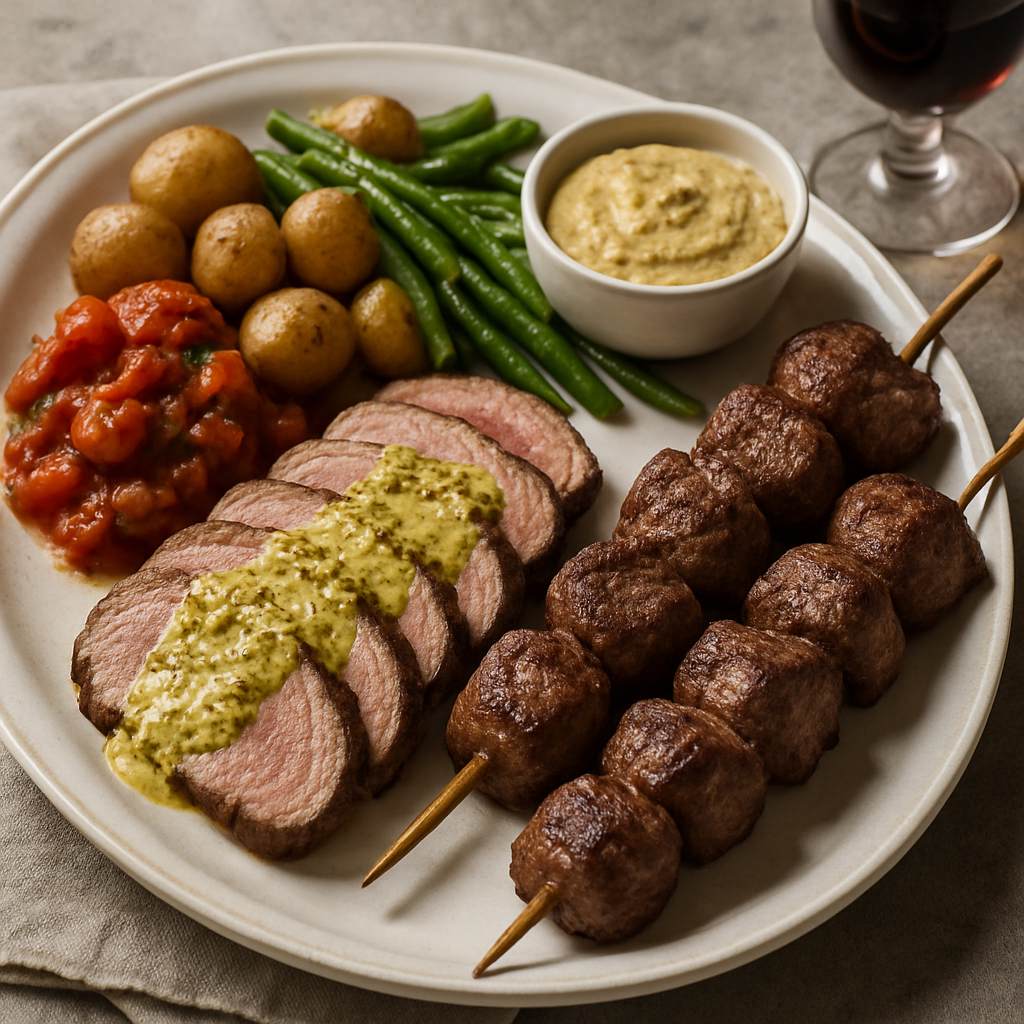
Discovering the Secrets of Lamb A La Moutarde
If you want a classic French lamb dish that combines deep flavor and simple technique, Lamb A La Moutarde is your answer. This recipe showcases a leg of lamb roasted gently and coated with a zesty mustard crust, making it a standout centerpiece for any Provençal platter or special gathering. In just a few easy steps, and by paying attention to the right marinade and roasting time, you can capture the unforgettable balance of Dijon, herbs, and perfectly tender meat described in authoritative sources such as Laura the Gastronaut. Here, you'll learn how the right marinade, subtle French brochette traditions, and a focus on quality cuts infuse this dish with true home-cooked charm.
Essentials: Lamb Cuts, Mustard, and French Ingredients
The foundation of this dish lies in selecting the right cut—ideally a leg of lamb, sometimes called a gigot. This classic French cut is both tender and flavorful, making it ideal for roasting in the oven or over a grill as in brochette-style preparations. While traditional recipes favor bone-in legs for their rustic look and flavor, boneless versions allow for easier carving and even marinade coverage.
The key ingredient in Lamb A La Moutarde is, unsurprisingly, mustard—especially the sharp, spicy Dijon variety. This mustard stands up beautifully to the rich lamb, providing a tangy exterior crust that locks in succulence. Herbs such as thyme, rosemary, and garlic turn a simple marinade into a distinctly Provençal experience, while olive oil and a gentle touch of salt finish the flavor base.
For a more elaborate or festive experience, consider adding complementary elements from Provençal cuisine, like a brochette of seasonal vegetables or a platter garnished with potatoes or couscous au poivre. Each element elevates the final presentation, blending the elegance of French technique with the heartiness of a family meal.
How to Build the Ultimate Mustard Marinade
The transformative essence of Lamb A La Moutarde is its signature marinade. According to trusted kitchen guides like The View from Great Island, the marinade is an emulsion built from Dijon mustard, fresh garlic, chopped rosemary, olive oil, and a touch of soy sauce for depth.
Begin by blending the Dijon with fresh or dried herbs, then add minced garlic, olive oil, and soy sauce. Whisk or grind with a mortar and pestle until the mixture thickens, forming a fragrant paste. This paste should be thick enough to coat the lamb’s surface without dripping off but loose enough to be brushed generously over the meat. Some cooks add a dash of sumac or a squeeze of lemon for brightness, but classic recipes keep it simple for authenticity.
The lamb should be thoroughly dried before applying the marinade. Coat it evenly on all sides, massaging the paste into nooks and crannies for maximum absorption. For best flavor, let the lamb marinate for several hours or overnight in the fridge, covered tightly so the marinade permeates deeply into the meat.
If you’re pursuing a brochette or grill version for casual settings, cube the lamb before marinating, ensuring each chunk gets covered. The mustard crust will crisp slightly on the grill for an additional layer of texture.
Roasting Technique: Time, Temperature, and the Perfect Crust
Roasting Lamb A La Moutarde is straightforward if you follow a precise time and temperature guide. Most classic preparations call for roasting at 350 degrees Fahrenheit, placing the lamb on a rack above a roasting pan to circulate heat evenly around the meat. This setup also allows fat to drip away, concentrating the flavor in the crust and juices below.
A practical tip from Laura the Gastronaut is to roast the lamb exactly 13 minutes per pound for medium-rare doneness. Always use a meat thermometer to confirm; the ideal internal temperature to pull the lamb is about 135°F (57°C), as it will continue cooking while resting.
During roasting, resist the urge to baste or open the oven frequently, as this can cause heat loss and disrupt the development of an even mustard crust. As the lamb roasts, the marinade forms a savory, golden-brown shell that seals in juices while providing robust flavor and subtle aroma from the Dijon and herbs.
For brochette or platter presentations, roast alongside seasonal vegetables skewered on sticks or arranged directly in the pan, letting them soak up the mustard-infused drippings. For an extra Provençal touch, garnish the finished platter with rosemary sprigs and lemon wedges.
After the lamb is cooked, let it rest, tented loosely with foil, for 10–15 minutes before slicing. This step ensures the juices redistribute evenly, resulting in succulent, fork-tender slices every time.
Serving and Pairing Lamb with a Provençal Platter
Lamb A La Moutarde is traditionally served carved into slices and fanned out on a rustic platter, surrounded by a medley of classic French sides. Popular accompaniments include brochettes of grilled vegetables, couscous studded with herbs and a dusting of au poivre, or even a refreshing spinach or chermoula salad for a contemporary twist.
For a larger gathering or festive table, consider presenting the lamb with a selection of French-inspired sides such as rigatoni with herbs, slices of aloo grill, or tagine-spiced vegetables. Balancing flavors and textures enhances the centerpiece and supports the robust mustard and herb notes in the lamb.
Wine pairings elevate the experience further. Choose a medium-bodied red, such as a Provençal Syrah or a classic Bordeaux blend, which complements the mustard and roasted flavors without overwhelming the lamb’s delicate texture. Lighter reds or dry rosé are also appropriate for warmer months and casual brochette presentations.
Troubleshooting, Storage, and Leftover Ideas
Occasionally, challenges can arise—such as an uneven crust or slightly overcooked meat. To avoid burning the mustard crust, always roast on a middle rack and check a bit early toward the end of your estimated time. If the crust darkens too quickly, loosely tent with foil to prevent further browning while the inside finishes cooking.
Once served, leftovers keep well for several days. Lamb A La Moutarde slices can be enjoyed cold in salads or sandwiches, reheated in a covered dish with a splash of stock, or cubed for a quick lamb kofta or tagine. The marinade’s flavors deepen overnight, often making these leftovers just as enticing as the original meal.
To store leftovers, wrap tightly and refrigerate for up to three days, or freeze for up to two months. Thaw in the refrigerator overnight, then reheat gently with a bit of stock or sauce to restore succulence. For a fresh twist, pair leftovers with couscous or a simple brochette salad for an entirely new meal.
This approach allows you to enjoy Lamb A La Moutarde in various forms, ensuring both economy and enjoyment—hallmarks of Provençal home cooking that make this dish truly timeless.
With these steps, making Lamb A La Moutarde for a Provençal platter with Dijon and brochette elements becomes accessible to any home cook seeking authentic flavor and inviting presentation.

Comments
Post a Comment