What is a Fishbane Reaction in Iron Infusion Therapy for Elderly Patients?
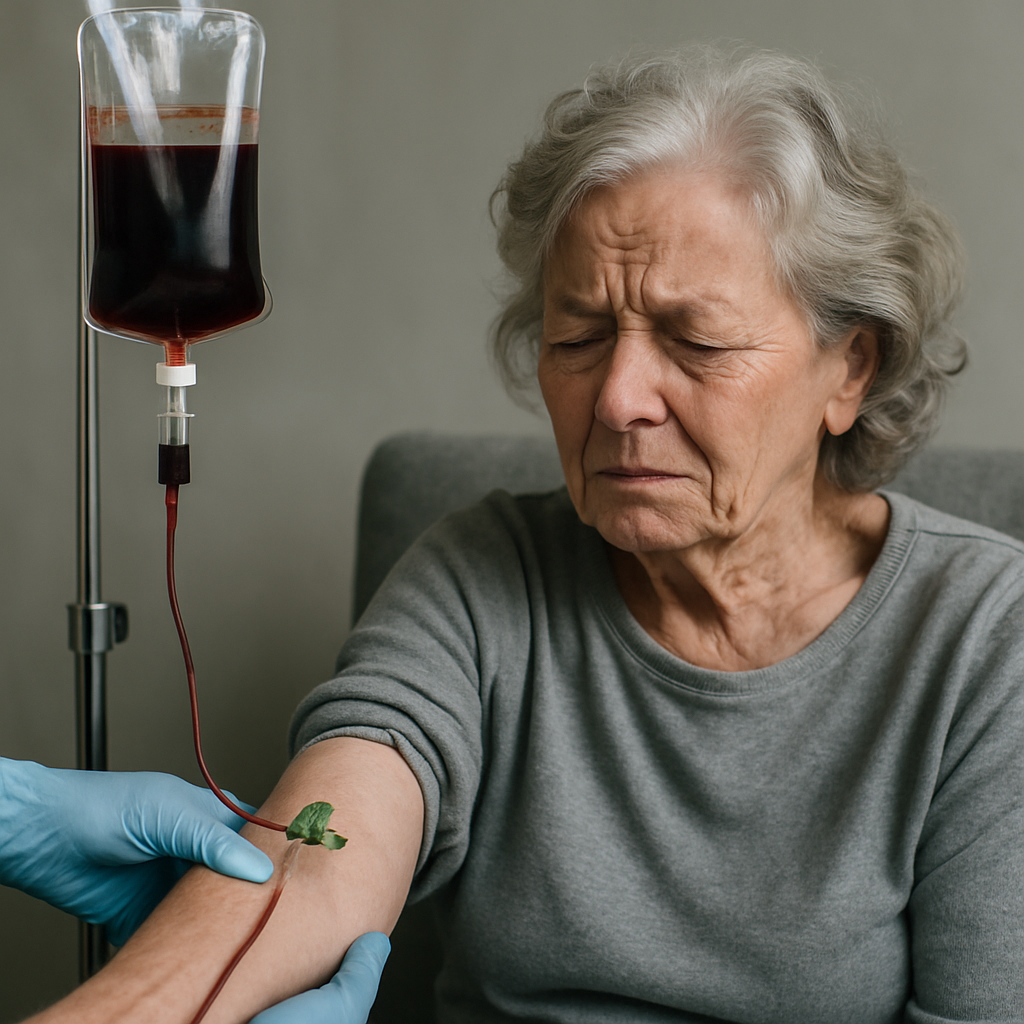
Fishbane reactions are well-known, mild, and transient side effects that can occur in some patients, particularly elderly individuals, during intravenous iron infusion therapy. Recognizing these reactions is vital in Cambridge centre clinical settings to avoid unnecessary discontinuation of treatment and to provide appropriate post-injection instructions. In this article, we clarify what constitutes a Fishbane reaction during iron infusion, how it differs from other adverse events, what contents within the injection may lead to its development, and which management steps and thresholds healthcare providers should follow before, during, and after administration.
Understanding Symptoms Associated with Iron Infusion Reactions
The term Fishbane reaction refers to a distinct clinical event observed shortly after the start of an IV iron infusion. Symptoms typically include sudden chest or back tightness and joint pain. Importantly, these events do not involve life-threatening complications such as hypotension, airway compromise, or laryngeal edema, which separate them from more severe hypersensitivity reactions (source). This makes Fishbane reactions unique both in presentation and in practical management, especially among elderly patients who may have other comorbidities.
Another aspect that helps in identifying Fishbane reactions is the absence of allergic or anaphylactic features. There is typically no wheezing, stridor, or systemic hypotension. Most episodes are mild and resolve within minutes, negating the need for aggressive interventions. Recognizing these specific symptoms can help caregivers in Cambridge and similar centres institute quick reassurance rather than unnecessary escalation of care.
It is also important to educate patients before their scheduled therapy regarding possible symptoms, making the experience less alarming if they do occur. This is particularly useful during post-injection observation, helping clinicians decide when to restart or modify the infusion.
Iron Infusion Contents and What Triggers a Fishbane Reaction
The reactions are thought to be mediated by labile or free iron, which is loosely bound within some iron formulations. When iron is delivered intravenously, small amounts of this labile iron can rapidly interact with cellular components, occasionally activating the complement system and leading to the transient symptoms observed. Studies have shown that iron formulations such as ferric carboxymaltose or ferric derisomaltose have lower adverse event rates compared to iron polymaltose, which could influence the threshold for using certain products in the elderly or sensitive populations (Management of Iron Infusion Reactions).
Because elderly individuals may be more sensitive to rapid fluctuations in plasma iron concentrations, it becomes vital to understand the underlying iron content, dose, and the pharmacokinetic properties of each drug administered. Selecting the most appropriate formulation can thus help optimize therapy and potentially reduce the occurrence of Fishbane reactions during routine injections.
Notably, the reaction is not believed to be a true allergy. Rather, it is a non-allergic, complement activation–related pseudoallergy, emphasizing that rechallenge can often be undertaken safely with modified protocols (What’s a Fishbane Reaction?).
Instructions and Thresholds: Pre- and Post-Iron Infusion Management
Before initiating iron infusion therapy, clear instructions should be provided. Patients should be educated on what to expect, when to eat, and signs for which they should alert clinical staff. While fasting is not generally required, a light meal before the infusion may be advisable to help elderly patients maintain comfort and reduce anxiety about fainting or nausea during the process.
During the infusion, any report of chest, back, or joint discomfort needs to be assessed immediately. The threshold for pausing or slowing the infusion should be low in Cambridge centre practice, especially for elderly individuals. If a classic Fishbane reaction is observed—defined by mild, non-progressive symptoms without airway compromise or significant hypotension—best practice is to pause the infusion, reassure the patient, observe closely for improvement, and then consider restarting at a slower rate (Fishbane Reaction Management).
Strict adherence to post-injection monitoring is also crucial. Clear documentation of symptoms, timing, and management steps should be completed before authorizing the patient for discharge. Prompt recognition and measured response can sustain patient trust and optimize adherence to low iron therapy regimens.
Finally, after the event, written instructions should clarify which symptoms warrant future medical attention, emphasizing that Fishbane reactions are generally self-limited and not a contraindication to continued therapy with appropriate adjustments.
Elderly Patient Considerations and the Period of Increased Risk
Older adults receiving iron infusions may exhibit atypical or muted symptoms, so Cambridge centre staff must maintain heightened vigilance during and just after administration. The period of greatest risk is typically within the first few minutes; close monitoring during and for at least 30 minutes after an infusion is good clinical practice.
There is no evidence that a single Fishbane reaction in an elderly patient predicts more serious future reactions. However, in those with reduced physiological reserves, ongoing evaluation of therapy thresholds is advised. Modifying the rate of infusion, selecting lower-risk formulations, or adjusting dosing intervals may all play a role in mitigating risk while ensuring adequate iron replacement.
Consultation with experienced clinicians and strict adherence to evidence-based Cambridge centre protocols will optimize both safety and outcomes for this population.
In summary, understanding the nature of Fishbane reactions, distinguishing them from more severe reactions, and having clear Cambridge centre management instructions—tailored to elderly patients and specific formulations—forms the basis of safe and effective iron infusion therapy.


Comments
Post a Comment